

Recharge Your Mind + Body: Fall Self-Care For More Energy
There I was, trying to recharge with my third cup of coffee, wondering why I felt utterly drained when just last month, I had energy for days.
Then it hit me: I was fighting my body’s natural seasonal energy patterns instead of working with them.
Here’s what I’ve learned through many changing seasons: Your body has its own seasonal energy map, and when you learn to read it, fall self-care becomes so much easier.
The Problem: We’re Living Like It’s Always Summer
Let’s be honest about what’s really happening here.
You’re trying to maintain the same energy levels you had in July when the days were long and bright. You’re pushing for the same productivity, the same social schedule, the same everything.
But your nervous system is quietly shifting gears. Shorter days mean different hormone patterns. Cooler weather means your body wants to conserve energy. Your natural rhythms are changing, but your expectations aren’t.
The result? You feel like you’re failing when you’re actually just human.
I used to think something was wrong with me every fall. Why was I more tired? Why did I want to nest instead of networking? Why did my usual routine feel so hard?
Turns out, nothing was wrong. I just needed to learn how seasonal energy mapping works.
(Spoiler alert! This Somatic Starter Kit is what helped the most once I mapped my energy.)
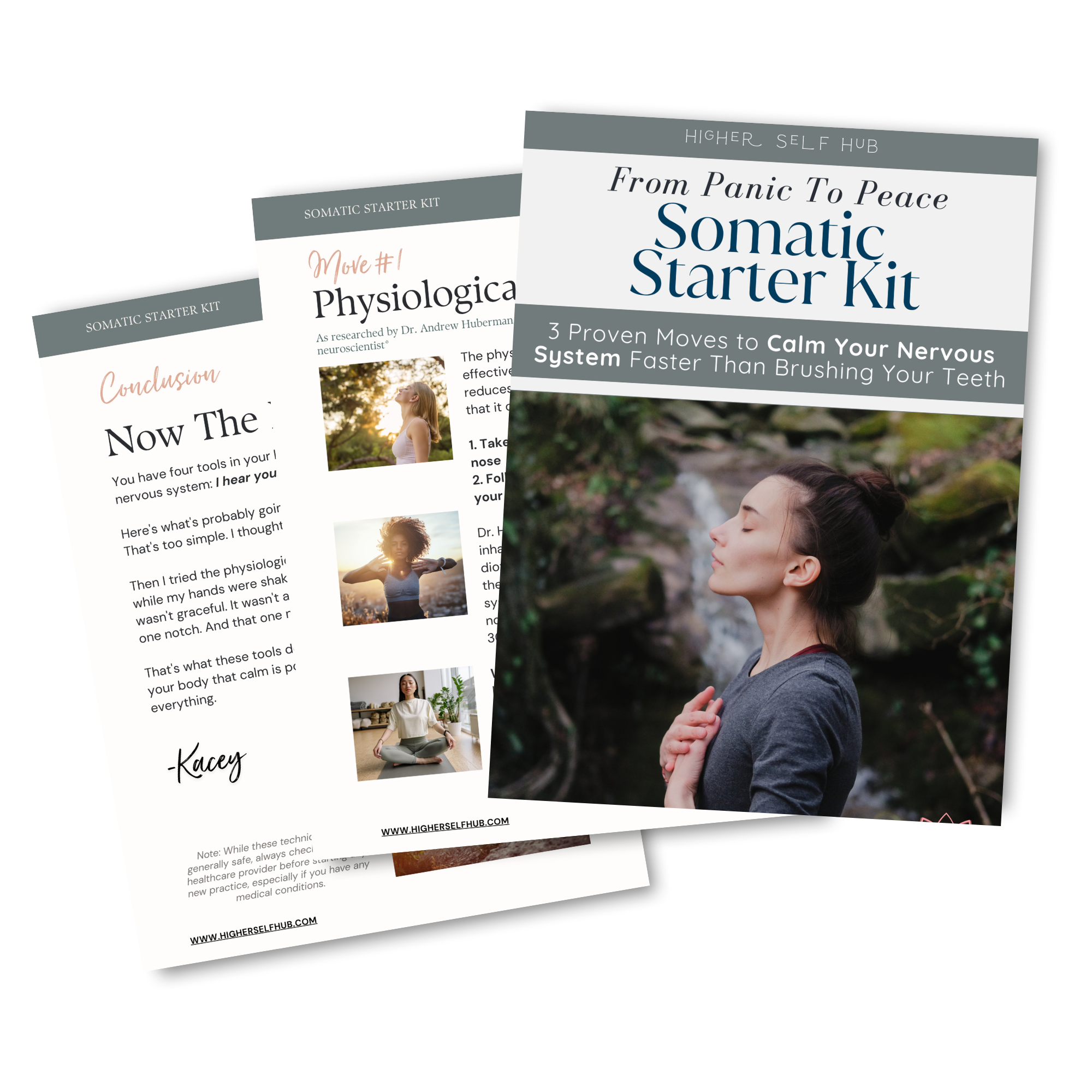
Your Free Somatic Starter Kit
3 science-backed tools to go from panic to peace in under 60 seconds.
Your inbox stays calm, too. Unsubscribe anytime. We respect your privacy.
What Is Seasonal Energy Mapping?
Seasonal energy mapping is simply tracking your natural energy patterns throughout fall and winter so you can work WITH your body instead of against it.
Instead of forcing summer energy levels year-round, you adjust your sleep, work, and social schedules to match what your body actually needs.
This isn’t about being lazy or giving up. It’s about being strategic with your energy so you can feel better and actually accomplish more. This is fall self care that actually works.
When I started doing this approach to fall self-care, I stopped feeling guilty about wanting earlier bedtimes in October. I stopped fighting my body’s request for slower mornings. I started honoring my natural rhythms instead of fighting them.
The difference was immediate.

Step 1: Recognize You’re Fighting Your Natural Rhythms
Before you can map your energy, you need to recognize the signs that you’re working against your body instead of with it.
Fighting your seasonal energy patterns shows up in so many ways. Physically, you might notice afternoon energy crashes that feel heavier than usual, or difficulty waking up even with the same amount of sleep. Your body starts craving more carbs and comfort foods, and you find yourself reaching for extra layers when everyone else seems fine.
Mentally, you struggle to focus during what used to be your productive hours. Your normal schedule feels overwhelming, and you want to say no to social plans more often. You catch yourself missing summer energy and feeling frustrated about the change.
The emotional signs hit differently. You feel guilty about needing more rest. You compare your current energy to summer levels and wonder what’s wrong with you. You push through fatigue instead of honoring it, feeling like you’re “behind” or not doing enough.
Sound familiar? You’re not broken. You’re just operating on summer settings when your body has shifted to fall mode.
Step 2: Track Your Energy for 1-2 Weeks
This is where the fall self-care magic happens. You’re going to become a detective of your own energy patterns.
For the next week or two, I want you to track your energy levels throughout each day. This doesn’t need to be complicated or perfect.
Three times a day, just pause and notice. Rate your energy on a scale of 1-10 and jot down what you were doing, how you felt physically, and any patterns you’re starting to notice.
Morning might look like this: “Energy 6/10 – Woke up naturally, felt okay after coffee.” Afternoon could be: “Energy 3/10 – Major crash after lunch, needed to lie down.” Evening might surprise you: “Energy 7/10 – Second wind kicked in, felt focused again.”
You can use your phone notes, a simple journal, or even voice memos. The key is consistency, not perfection.
Pay attention to when you naturally feel most energized and when consistent dips happen. Notice how weather affects your energy and what activities drain you versus fill you up. Most importantly, observe how light exposure impacts your mood throughout the day.

Step 3: Map Your Personal Energy Patterns
After tracking for a week or two, patterns will start to emerge. This is your personal seasonal energy map.
You might discover you’re naturally more energized in the morning during fall, or that your focus is sharpest between 10am and noon. Maybe you crash every day around 3pm when afternoon light starts to fade, or you get a second wind around 7pm that lasts until 9pm. Rainy days might consistently lower your energy, while sunny autumn mornings give you an unexpected boost.
My personal fall energy map surprised me. I have steady energy from 6-10am that’s perfect for focused work. My peak energy hits between 10am and 2pm, which is ideal for challenging tasks. Then comes the major dip from 2-5pm where I can only handle rest and gentle tasks. I get moderate energy back from 5-8pm that’s good for social connections, and after 8pm I’m naturally winding down with reading and gentle movement.
Your map will be totally different, and that’s perfect. The goal is to understand YOUR patterns, not follow someone else’s rhythm.
Step 4: Adjust Your Schedule to Match Your Energy
This is where most people get stuck. They identify their patterns but don’t actually change anything.
Here’s the thing: working with your peak energy times means scheduling your most important tasks when you feel strongest. Move challenging conversations to your natural high-energy windows. Batch similar tasks during consistent energy periods instead of spreading them throughout the day.
I had to completely restructure my days once I understood my patterns. I moved my writing time to 8-11am because that’s when my mind feels sharpest in fall. I scheduled calls for late morning instead of afternoon when I knew I’d be struggling. I built in 30 minutes of rest around 3pm instead of fighting the crash with more caffeine.
The social adjustments were just as important. I planned friend dates during energy peaks, not dips. I limited evening commitments to weekends only and built in recovery time after social activities. Most importantly, I started communicating my energy patterns to close friends and family so they understood why I might need to reschedule or take breaks.
Honor your natural dips instead of fighting them. Don’t schedule demanding activities during your low-energy windows. Give yourself permission to slow down during natural energy shifts, and build buffer time around predictable changes.

Step 5: Support Your Energy with Somatic Tools
Once you understand your patterns, you need tools to support your energy when it naturally dips and enhance it during peak times.
This is where your nervous system becomes your ally instead of working against you.
During energy dips, gentle breathing exercises can prevent crashes from becoming overwhelming. Supported rest positions like legs up the wall work wonders during natural low points. Somatic shaking helps release accumulated tension, and grounding techniques keep you centered when you feel scattered.
For peak energy times, power poses before important tasks can enhance your natural high-energy windows. Energizing breathwork amplifies your body’s readiness for challenging activities. The key is having tools ready for both your energy peaks and valleys, so you can ride the waves instead of fighting them.
Seasonal transitions especially benefit from daily check-ins with your body to notice subtle energy shifts. Gentle movement that supports rather than depletes your energy makes all the difference. Having nervous system regulation techniques ready helps when the seasonal shift feels overwhelming.

Your Energy Is Not Wrong – Your Expectations Are
The biggest shift for me was realizing that my changing energy wasn’t a problem to solve, it was information to honor.
Your body is incredibly intelligent. It’s responding to light changes, temperature shifts, and seasonal rhythms that have guided humans for thousands of years.
When you stop fighting these patterns and start working with them, you’ll find more consistent energy throughout the day and less frustration with your natural rhythms. Your sleep and recovery improve, your productivity increases during your actual peak times, and you develop more self-compassion around seasonal changes.
Seasonal energy mapping isn’t about having less energy. It’s about using your energy more strategically.
Start Your Own Energy Mapping Journey
Which step feels most doable for you right now?
Your body already knows its optimal patterns. You just need to start listening.
To support your seasonal energy mapping journey, I’ve created my Somatic Starter Kit with three proven techniques that help you regulate your nervous system no matter where you are in your energy cycle.
These aren’t complicated practices. They’re the simple, science-backed tools I use every day to support my energy patterns instead of fighting them.
Download your free Somatic Starter Kit and start partnering with your body’s wisdom instead of working against it.

Your Free Somatic Starter Kit
3 science-backed tools to go from panic to peace in under 60 seconds.
Your inbox stays calm, too. Unsubscribe anytime. We respect your privacy.
Your energy is not wrong. Your body is not broken. You’re just learning to speak its language.
Sometimes the most revolutionary thing we can do is stop fighting ourselves and start listening.