

Your Holistic Fall Bucket List For Mind, Body & Spirit
Want to know why autumn is now my favorite season when I used to dread it?
Three years ago, I’d spend September anxiously watching summer slip away, dreading the shorter days and that heavy feeling that came with changing leaves.
Now? I literally count down the days until autumn arrives.
Here’s exactly what changed, and how you can fall in love with fall, too.
But first, you’ll want to grab the Somatic Starter Kit:
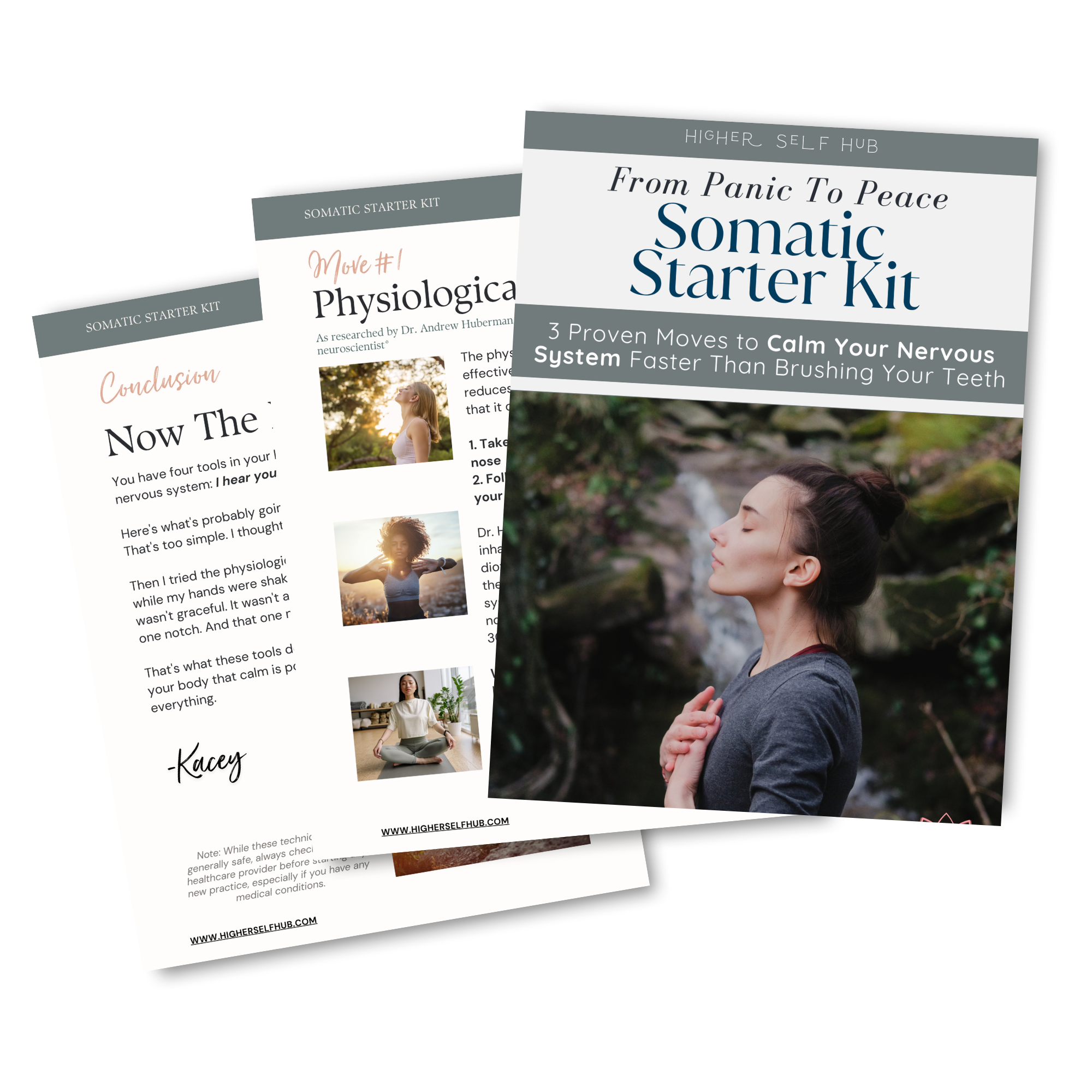
Your Free Somatic Starter Kit
3 science-backed tools to go from panic to peace in under 60 seconds.
Your inbox stays calm, too. Unsubscribe anytime. We respect your privacy.
For Your Mind: Cultivating Mental Clarity & Peace
1. Create a fall reading nook with soft blankets and warm lighting
Transform a corner of your home into a sanctuary for the mind. Layer textures, add a small side table for tea, and let this space become your retreat for mental restoration.
2. Start a gratitude practice tied to seasonal changes
Each day, notice one thing that’s shifting around you—a tree changing color, the earlier sunset, the first frost—and pair it with something you’re grateful for.
3. Learn a new skill that connects you to autumn traditions
Whether it’s bread baking, knitting, woodworking, or herbalism, choose something that grounds you in the slower rhythms of the season.
4. Begin a seasonal journaling practice
Write about what you’re ready to release and what you want to cultivate as the year winds down.
5. Try forest bathing or mindful nature walks
The Japanese practice of shinrin-yoku becomes especially powerful in fall when the forest is actively transforming around you.
6. Practice the 5-4-3-2-1 grounding technique outdoors
Notice 5 things you can see, 4 you can touch, 3 you can hear, 2 you can smell, and 1 you can taste in autumn settings.
7. Create a “worry window” practice
Designate 15 minutes daily for processing concerns, then consciously redirect to present-moment awareness.
8. Start a puzzle or craft that engages your hands mindfully
Activities like jigsaw puzzles, cross-stitch, or clay work activate the vagus nerve through focused, repetitive motion.
9. Practice morning pages or stream-of-consciousness writing
Let your thoughts flow onto paper without judgment, clearing mental clutter each morning.
10. Learn about seasonal astronomy and stargazing
The longer nights offer perfect opportunities to connect with the cosmos and gain perspective.
11. Create a playlist of calming autumn sounds
Rain on leaves, crackling fires, gentle wind—sounds that naturally regulate your nervous system.
12. Try bibliotherapy with books about seasonal transitions
Choose literature that explores themes of change, letting stories guide your own transformation.
13. Practice cognitive reframing with seasonal metaphors
When facing challenges, ask: “How would a tree handle this? What can I learn from autumn’s patience?”
14. Start a dream journal during the longer sleep season
Use autumn’s natural inclination toward rest to explore your subconscious wisdom.
15. Create mental boundaries around news and social media
Protect your nervous system by limiting exposure to overstimulating content during this sensitive season.

There’s wisdom in following autumn’s lead when it comes to mental wellness. Just as trees know when to let their leaves go, we too can practice the art of release. This isn’t about forcing change, but about creating space for what wants to emerge naturally. The nervous system thrives on this kind of gentle, patient approach to transformation.
For Your Body: Gentle Movement & Somatic Healing
16. Transition your movement practice indoors
Set up a cozy yoga corner, try online dance classes, or create a simple bodyweight routine that honors your body’s need for gentle, consistent movement.
17. Practice somatic experiencing exercises
Try gentle tremoring, body scanning, and pendulation exercises that help process stored tension.
18. Experiment with warming, seasonal foods
Embrace slow-cooked stews, roasted root vegetables, and warming spices that support digestion and nervous system health.
19. Try breathwork practices suited for fall
Alternate nostril breathing, 4-7-8 breathing, and box breathing to calm your system and improve sleep.
20. Create morning and evening rituals that support circadian rhythm
Consistent routines signal safety to your nervous system and improve sleep quality.
21. Practice progressive muscle relaxation
Systematically tense and release muscle groups to release stored physical tension.
22. Try dry brushing and self-massage
These practices stimulate circulation, support lymphatic drainage, and provide nurturing touch.
23. Explore gentle inversions like legs up the wall
Simple inversions activate the parasympathetic nervous system and promote deep relaxation.
24. Practice mindful eating with seasonal foods
Eat slowly, notice textures and flavors, and pay attention to your body’s hunger and satiety cues.
25. Try cold exposure therapy (safely)
Brief cold showers or outdoor air exposure can strengthen your nervous system’s resilience.
26. Schedule regular bodywork sessions
Massage, acupuncture, or craniosacral therapy can help process trauma stored in the body.
27. Practice gentle spinal waves and movements
Cat-cow stretches, spinal rolls, and gentle twists support nervous system health through the spine.
28. Create a sleep sanctuary
Optimize your bedroom for temperature, darkness, and comfort to support restorative sleep.
29. Try earthing or grounding practices
Walk barefoot on natural surfaces when weather permits to connect with earth’s electrical field.
30. Experiment with weighted blankets or compression
Deep pressure can activate the parasympathetic nervous system and reduce anxiety.
31. Practice gentle hip openers and restorative poses
The hips store emotional tension; gentle opening can release trauma and create emotional freedom.
32. Try humming, singing, or toning
Vocal vibrations stimulate the vagus nerve and promote nervous system regulation.
33. Create a stretching routine for seasonal transitions
Address areas that tighten with weather changes: shoulders, neck, and hips.
34. Practice body gratitude exercises
Thank each part of your body for its service, fostering a loving relationship with your physical self.
35. Try temperature therapy with warm baths and cool rinses
Contrast therapy can improve circulation and nervous system adaptability.
The body craves different things as seasons change, and honoring these shifts is part of holistic wellness. Fall asks us to move from summer’s expansive energy into something more contained and nourishing. For those healing from trauma or stress, autumn’s slower pace provides the perfect environment for gentle somatic work and nervous system restoration.
For Your Spirit: Deepening Connection & Inner Wisdom
36. Create seasonal altars or sacred spaces
Gather autumn elements to create visual reminders of the season’s spiritual gifts and your own transformation.
37. Practice releasing rituals
Write down what you’re ready to let go of and safely burn the paper, or create ceremonies around releasing old patterns.
38. Try shadow work exercises
Autumn’s themes of darkness and introspection provide perfect conditions for exploring hidden aspects of self.
39. Connect with ancestors or lineage practices
Honor those who came before through storytelling, cooking traditional foods, or visiting meaningful places.
40. Work with seasonal symbols and archetypes
Meditate on themes of harvest, wisdom, and the sacred feminine energy of the crone.
41. Practice loving-kindness meditation
Extend compassion to yourself, loved ones, difficult people, and all beings during this season of forgiveness.
42. Create art inspired by autumn’s beauty
Let creativity become spiritual practice through painting, drawing, photography, or crafting with natural materials.
43. Try drumming or rhythmic practices
Steady beats can induce meditative states and connect you to ancient healing traditions.
44. Practice forgiveness work
Use autumn’s energy of release to forgive yourself and others, freeing your spirit for new growth.
45. Explore energy healing modalities
Reiki, crystal healing, or chakra balancing can support spiritual wellness during seasonal transitions.
46. Connect with your intuition through divination
Tarot, oracle cards, or rune reading can provide guidance during times of change and transformation.
47. Practice moon cycle awareness
Track lunar phases and notice how they affect your energy, emotions, and spiritual receptivity.
48. Try automatic writing or channeling practices
Let wisdom flow through you without mental interference during quiet autumn moments.
49. Create personal ceremonies for life transitions
Honor changes in your life with rituals that acknowledge endings and beginnings.
50. Practice seva (selfless service)
Volunteer in ways that align with autumn themes of harvest and community support.
51. Connect with plant spirit medicine through herbs
Learn about adaptogenic herbs like ashwagandha, holy basil, and reishi mushrooms that support spiritual and physical balance.
52. Try walking meditation in natural settings
Let each step become a prayer, each breath a connection to the sacred in nature.
53. Practice death meditation or contemplation
Autumn’s themes invite us to contemplate impermanence and find peace with life’s cycles.
Perhaps the most beautiful aspect of autumn is how it teaches us that endings can be graceful, even celebratory. The trees don’t mourn their leaves—they release them in spectacular displays of color and trust. This season offers us permission to let go with the same grace, creating space for whatever wants to be born in winter’s darkness.

Integration & Community: Weaving It All Together
54. Host seasonal gatherings focused on gratitude and reflection
Create space for community sharing, storytelling, and collective healing through connection.
55. Start a seasonal book club or discussion group
Explore themes of change, healing, and seasonal living with like-minded people.
56. Plan outdoor adventures that celebrate fall’s beauty
Apple picking, hiking for foliage, mushroom foraging, or simple sunset watching.
57. Practice seasonal meal prep and batch cooking
Prepare nourishing foods that support your nervous system through darker months.
58. Create a seasonal bucket list buddy system
Partner with someone to explore these practices together, creating accountability and connection.
59. Try forest therapy or guided nature immersion
Participate in structured programs that deepen your relationship with the natural world.
60. Volunteer for causes aligned with harvest themes
Food banks, community gardens, or elder care—serve where abundance meets need.
61. Practice seasonal photography or nature journaling
Document autumn’s progression while staying present to its daily changes.
62. Create family or household seasonal traditions
Establish rituals that everyone can participate in, building shared meaning and connection.
63. Try partnered breathing exercises
Practice synchronized breathing with loved ones to co-regulate nervous systems.
64. Organize clothing swaps or donation drives
Release what no longer serves while providing for others preparing for winter.
65. Create seasonal playlists for different activities
Curate music that supports meditation, movement, cooking, and reflection.
66. Practice seasonal boundary setting
Learn to say no to activities that drain your energy during this introspective season.
The beauty of a holistic approach to seasonal living is that it acknowledges the interconnectedness of all aspects of our wellbeing. When we create practices that support our nervous system, we naturally become more present, compassionate, and resilient. Community amplifies this healing, reminding us that we’re not meant to navigate life’s changes alone.

Daily Rhythms & Micro-Practices: Small Acts, Big Impact
67. Try the physiological sigh technique
Double inhale through the nose, long exhale through the mouth—instantly calms your nervous system.
68. Practice mindful tea or coffee rituals
Transform your morning beverage into a meditation on warmth, gratitude, and presence.
69. Use essential oils for seasonal aromatherapy
Cedarwood, frankincense, and sweet orange can support emotional balance and nervous system health.
70. Create micro-moments of beauty appreciation
Notice one beautiful thing each hour—a leaf, light pattern, or moment of connection.
71. Practice the “both/and” thinking technique
Instead of either/or thinking, practice holding complexity: “I can feel sad AND grateful.”
72. Try EFT tapping for seasonal stress
Use emotional freedom technique to process difficult emotions and regulate your nervous system.
73. Practice mindful transitions between activities
Pause, breathe, and set intention before moving from one task to another.
74. Create a daily movement minute
Even 60 seconds of gentle stretching or dancing can shift your nervous system state.
75. Use visualization for nervous system regulation
Imagine roots growing from your feet into the earth, providing stability and grounding.
76. Practice the “glimmer” technique
Notice tiny moments that bring you joy or peace—these micro-positive experiences build resilience.
77. Try temperature awareness meditation
Notice warm and cool sensations in your body without trying to change them.
78. Create bedtime stories for yourself
Gentle, positive narratives can calm your nervous system and improve sleep quality.
79. Practice “soft gaze” meditation
Let your eyes relax and soften while looking at autumn scenes, reducing visual tension.
80. Use bilateral stimulation during walks
Notice the alternating rhythm of walking to naturally balance your nervous system.

Advanced Practices: Deepening Your Seasonal Journey
81. Try EMDR self-care techniques
Butterfly hugs and bilateral tapping can help process difficult emotions safely.
82. Practice somatic therapy exercises
Notice “felt sense” experiences in your body and learn to befriend sensation.
83. Experiment with seasonal fasting or cleansing
Support your body’s natural detoxification in harmony with autumn’s releasing energy.
84. Create a seasonal vision board
Visualize what you want to cultivate as you move through fall into winter.
85. Try yin yoga sequences for nervous system support
Long-held, passive poses that promote deep relaxation and introspection.
86. Practice Internal Family Systems (IFS) techniques
Notice different “parts” of yourself and practice self-compassion for all aspects.
87. Explore polyvagal theory applications
Learn to recognize your nervous system states and practice regulation techniques.
88. Try nervous system mapping
Track your daily nervous system states and identify patterns, triggers, and supports.
89. Practice seasonal body attunement
Notice how your body responds to weather changes and adjust your care accordingly.
90. Create trauma-informed self-care practices
Develop practices that honor your healing journey and respect your body’s wisdom.
91. Try coherent breathing for heart rate variability
5-second inhales and 5-second exhales can optimize nervous system function.
92. Practice seasonal emotional regulation techniques
Develop skills for navigating the emotional intensity that often comes with seasonal transitions.
93. Explore attachment repair through self-compassion
Practice giving yourself the care and understanding you needed but didn’t receive.
94. Try RAIN technique for difficult emotions
Recognize, Allow, Investigate, and Nurture challenging feelings with kindness.
95. Practice co-regulation with pets or nature
Use the calming presence of animals or natural settings to regulate your nervous system.

Integration & Reflection: Making It Sustainable
96. Create a seasonal review practice
Regularly assess which practices serve you and adjust your routine accordingly.
97. Practice seasonal goal-setting
Set intentions that align with autumn’s energy rather than forcing summer-style productivity.
98. Try partnered nervous system regulation
Practice breathing exercises or gentle touch with trusted loved ones.
99. Create seasonal affirmations
Develop positive statements that support your nervous system healing and seasonal transition.
100. Practice seasonal gratitude for your nervous system
Thank your body’s wisdom for keeping you safe and supporting your healing journey.
101. Design your personal autumn manifesto
Write a statement of how you want to move through this season, honoring your needs and values.

As the Season Unfolds: A Living Practice
This is how a season I used to white-knuckle through became my annual reset button.
You don’t need to do every single thing on this list, even choosing a handful that spark something in you can completely shift how autumn feels in your body and soul.
Trust what calls to you. Your nervous system knows what it needs to heal. And remember: just like every tree changes at its own pace, so can you.
Your Free Somatic Starter Kit
3 science-backed tools to go from panic to peace in under 60 seconds.
Your inbox stays calm, too. Unsubscribe anytime. We respect your privacy.
What’s one practice you’re excited to try first?