
9 Popular Morning Routine Myths You Shouldn’t Believe
“If you don’t have a ritual in your life, you’re at the mercy of chaos. The most successful people I know all have a morning ritual.” – Tony Robbins
Most of us stumble through our mornings on autopilot, either not thinking at all or copying somebody else’s morning routine. Then, we feel exhausted and unproductive and wonder why.
Your morning doesn’t need to look like a perfect Instagram reel to be effective. The secret about healthy morning routines is discovering what genuinely works for YOUR life.
Let’s separate fact from fiction and explore what truly makes a healthy and effective morning routine.
Introduction to Healthy Morning Routines
A healthy morning routine is about finding a balance that suits you and your lifestyle. By focusing on healthy habits and effective tips, you can succeed and make the most of your morning. Whether you want to improve your physical health or mental well-being, a good morning routine can help a lot.

The Truth Behind What Makes a Healthy Morning Routine
Knowing what makes a morning routine effective is key for boosting productivity and wellness. Studies show that a good morning routine can greatly affect your day. It can boost your energy and clear your mind. Adding self-care activities can help you start the day on a positive note.
Understanding the science behind a morning routine is important. It helps you see how habits affect your body and mind. For instance, morning sunlight helps your body’s clock, and a regular sleep schedule improves sleep quality. By choosing wisely, you can make your morning routine work best for you, boosting your productivity and wellness.
Key Elements of a Morning Routine
- Hydration and nutrition
- Physical activity and exercise
- Mental stimulation and relaxation techniques
- Goal-setting and planning
Adding these elements to your morning routine can make it balanced and effective. Whether it’s meditation, journaling, or stretching, activities that care for your mind and body are crucial. They can significantly impact your day.
Myth #1: You Must Join the “5 AM Club” to Be Successful
MYTH: Waking up at 5 AM is essential for success and productivity.
FACT: Your ideal wake-up time should align with your natural body rhythm, not someone else’s schedule. Studies show we all have different natural wake times – some people need 5 hours of sleep, while others need 7-8 hours to feel refreshed. What matters is consistency and quality sleep, not an arbitrary early hour.
What Works: Listen to your body and establish a wake-up time that leaves you feeling energized. Start with small adjustments and find what truly works for your lifestyle and energy levels.

Myth #2: Breakfast Is the Most Important Meal of the Day
MYTH: You must eat a large breakfast immediately after waking up.
FACT: The timing and size of your first meal should depend on your personal needs, schedule, and hunger cues. There’s no scientific evidence that breakfast is inherently more important than other meals. What matters is consistent healthy eating throughout the day.
What Works: Focus on nutrient-rich foods when you do eat, including a balance of protein, complex carbs, and healthy fats. Good options include sausage and boiled eggs, scrambled eggs with sourdough toast, or Greek yogurt with berries.
Myth #3: You Should Always Exercise on an Empty Stomach
MYTH: Morning workouts must be done before eating for maximum fat burning.
FACT: The benefits of fasted exercise depend entirely on your goals. Research shows mixed results—while it may enhance fat burning for some people, it can also reduce performance and muscle preservation for others.
What Works: If your goal is endurance and fat loss, fasted exercise might help. For muscle building and strength, having a small meal with protein and carbs beforehand is better. Listen to your body and align your eating and exercise timing with your specific fitness objectives.

Forget the 5am club. My free Somatic Starter Kit gives you body-first practices that work whatever time you wake up.
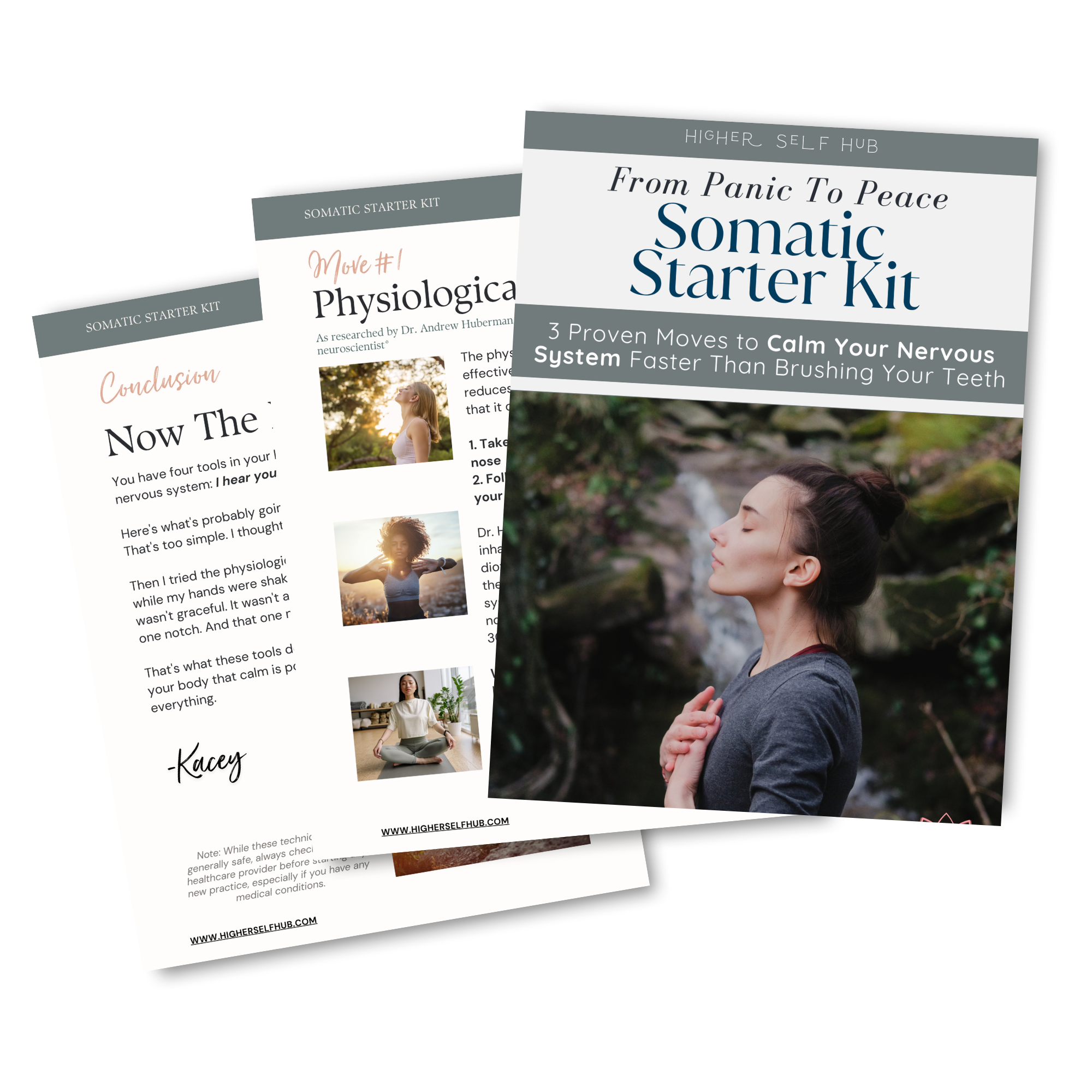
Your Free Somatic Starter Kit
3 science-backed tools to go from panic to peace in under 60 seconds.
Your inbox stays calm, too. Unsubscribe anytime. We respect your privacy.
Myth #4: Checking Your Phone First Thing Is Fine
MYTH: Starting your day with screen time is harmless.
FACT: Morning screen time can trigger stress responses and anxiety before your day even begins. Studies show that checking your phone immediately after waking disrupts your brain’s natural wake-up process and can leave you feeling foggy and overwhelmed.
What Works: Consider alternatives like meditation, journaling, or simple stretching before engaging with technology. When you do use screens, be intentional—use them for positive activities like learning or listening to uplifting content rather than social media scrolling.
Myth #5: Your Morning Routine Should Look Instagram-Perfect
MYTH: A good morning routine must be aesthetic, elaborate, and worthy of social media.
FACT: The most effective routines are personalized to your unique needs—not designed for likes or follows. What works beautifully for an influencer might be completely wrong for your lifestyle, goals, and preferences.
What Works: Focus on activities that genuinely nourish your mind, body, and soul. Start small, be consistent, and don’t be afraid to experiment until you find what truly serves you. The effectiveness of your routine is measured by how it makes you feel throughout the day, not how it looks to others.
Myth #6: You Must Be a “Morning Person” to Have a Good Morning Routine
MYTH: Only natural early birds can establish effective morning habits.
FACT: Genetics significantly influence your sleep patterns and natural rhythms. Some people naturally wake early, while others function better with later start times. Your chronotype (whether you’re more of a morning or evening person) is largely predetermined.
What Works: Honor your natural patterns instead of fighting them. Pay attention to when you naturally feel most alert and energized, then build your routine around those patterns. It’s about finding your personal balance, not forcing yourself into someone else’s ideal schedule.
Myth #7: Multitasking Makes Mornings More Productive
MYTH: Doing multiple morning tasks simultaneously saves time and boosts productivity.
FACT: Research consistently shows that multitasking reduces focus and performance. When we attempt to juggle multiple activities, our brains must constantly switch between tasks, resulting in mental fatigue and reduced efficiency.
What Works: Focus on single-tasking—giving your full attention to one activity at a time. Set clear priorities, eliminate distractions, and use time-blocking to create a more focused and effective morning. Quality always trumps quantity when it comes to morning activities.

Myth #8: You Need to Drink a Huge Amount of Water Immediately Upon Waking
MYTH: You must drink a full glass or more of water immediately upon waking.
FACT: While rehydration after sleep is important, consuming too much water at once can actually disrupt electrolyte balance. Consistent hydration throughout the day is more effective than one large morning dose.
What Works: Start with a small amount of water when you wake up, then wait about 30 minutes before drinking more. Listen to your body’s thirst signals and focus on steady hydration across your entire day rather than forcing large quantities all at once.
Myth #9: Your Morning Routine Must Include Every Healthy Habit at Once
MYTH: An effective morning routine needs to include exercise, meditation, journaling, reading, and elaborate meal prep all together from day one.
FACT: Trying to transform your mornings with too many new habits simultaneously often leads to burnout and abandonment of the entire routine. Research in habit formation shows that focusing on one small change at a time leads to more sustainable results and higher success rates.
What Works: Start with just one or two meaningful morning activities and master them before adding more. For example, begin with five minutes of meditation or a short walk. Once these become automatic parts of your morning, gradually introduce additional elements. Remember that consistency with simple habits is more powerful than sporadically attempting complex routines.
Key Takeaways
- Your ideal morning routine should be personalized to YOUR unique needs and rhythms
- Small, consistent habits matter more than elaborate or Instagram-worthy routines
- Listen to your body instead of following arbitrary rules about timing, eating, or exercising
- What works for someone else might be completely wrong for you
- Start with realistic changes and build gradually for sustainable results
- The true measure of a successful morning routine is how it impacts your energy, focus, and wellbeing throughout the day
Conclusion: Creating a Personalized Morning Routine That Actually Works
Your morning isn’t just the start of your day—it’s the foundation that everything else builds upon. The most powerful healthy morning routines aren’t borrowed from influencers or celebrities; they’re custom-built for your unique life, goals, and biology.
When you create a personalized routine that honors your natural rhythms rather than fighting against them, mornings transform from a struggle into a source of strength. This isn’t about perfection—it’s about progress. The right morning ritual becomes a daily investment in your highest self, with compound interest that pays dividends in energy, clarity, and accomplishment.
Start small. Stay consistent. Adjust as needed. Your ideal morning routine is waiting to be discovered, and with it, an entirely new relationship with your days—and ultimately, your life.
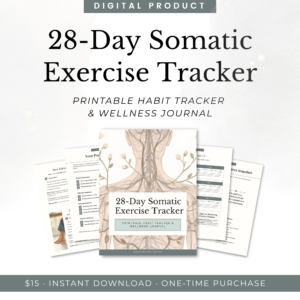


And if you’re rebuilding your mornings from scratch, start with the free Somatic Starter Kit below.
Your Free Somatic Starter Kit
3 science-backed tools to go from panic to peace in under 60 seconds.
Your inbox stays calm, too. Unsubscribe anytime. We respect your privacy.