

15 Simple Ways To Make Your Home More Peaceful
In a world that moves at breakneck speed, your home shouldn’t be another source of stress – your peaceful home should be your sanctuary. The secret to creating this haven lies not in expensive renovations but in the art of mindful design.
Making your home peaceful is crucial for your health. A calm living space lowers stress and boosts your mood. Home decor and interior design are essential to creating this calm.
A well-designed home can change your daily life. You can make your home peaceful with a few easy changes. Adding natural elements and calming colors are a few ways to bring calm to your space. Here are some peaceful ideas for living rooms, bedrooms, and even your front porch.
This article will show why a peaceful home is a path to connecting with your Higher Self. We’ll give tips on how to make your home more serene. By making these changes, you can turn your home into a place of relaxation and well-being.
Key Takeaways
- Creating a peaceful home is essential for physical and mental well-being
- Home decor and interior design play a significant role in crafting a peaceful home
- Incorporating natural elements can help create a serene atmosphere
- Calming colors can promote relaxation and reduce stress
- A well-designed interior can greatly impact our daily lives
- A peaceful home can be achieved through simple changes to home decor and interior design
Understanding What Makes a Peaceful Home Environment
Creating a peaceful home is key for our happiness and mood. Studies show our surroundings greatly affect our stress and ability to relax. By adding relaxation techniques like meditation and deep breathing, we can lower stress and bring calm to our homes.
A peaceful home is more than just a place. It’s about the feelings it brings up. Things like natural light, calming colors, and soothing sounds help create peace. For instance, soft music and nature sounds can make us feel calm. Calming colors like blue and green also help us relax. By adding these, we make our homes peaceful places for our minds and hearts.
To make a home peaceful, we must think about how our space affects us. Stress reduction techniques, like decluttering, help make our homes calm. Adding natural things, like plants and water features, also brings peace and relaxation.
Some important things to think about for a peaceful home include:
- Natural light and ventilation
- Calming colors and textures
- Soothing sounds and music
- Natural elements, such as plants and water features
By using these elements and relaxation techniques, we can make our homes peaceful. This supports our well-being and brings calm and serenity.


Decluttering Your Home for Inner Peace
Starting peaceful living means making your home calm. Clutter can make you feel stressed and anxious. To clear your space, try these decluttering tips: begin with a small area, sort items, and focus on one thing at a time.
Deciding what to keep and what to throw away is crucial. Ask yourself if you’ve used an item recently and if it makes you happy. If not, it’s probably time to get rid of it. This way, you make room for things that truly matter, helping you feel calm and peaceful.
Here are some useful decluttering tips:
- Use a “maybe” box for items you’re unsure about
- Set regular times to declutter and keep your space tidy
- Follow the rule of “one in, one out” to avoid clutter
By using these methods, you’ll make your home a peaceful place. It’s a journey, and it’s okay to take it slow. With dedication, you’ll have a space that’s free from clutter and full of joy and calm.

| Decluttering Tips | Benefits |
|---|---|
| Start small | Reduces overwhelm and increases motivation |
| Focus on one area at a time | Helps maintain momentum and creates a sense of accomplishment |
| Sort items into categories | Makes decision-making easier and more efficient |
Creating a Calming Color Scheme
Choosing the right colors is key to a peaceful home. Calming colors can greatly affect our mood. They help create a relaxing and serene atmosphere in our homes.
A good color scheme can make your living space calm and peaceful. Understanding color psychology is important. It helps us pick colors that make us feel relaxed.
Best Colors for Relaxation
Here are some top colors for relaxation:
- Light blue: promotes calmness and serenity
- Mint green: brings balance and harmony
- Neutral tones: like beige and gray, reduce stress and anxiety
Using these calming colors in your home design can make your space peaceful. Choose colors that make you feel calm and relaxed.
Using Natural Tones
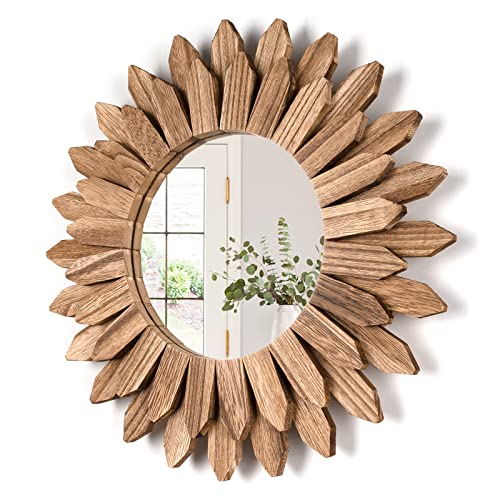
Natural tones, like wood and stone, add to a calming color scheme. They bring warmth and coziness, making your home inviting and relaxing.
Color Psychology in Home Design
Knowing color psychology is crucial for a peaceful home. By picking the right colors, you can create a calm atmosphere. This improves your overall well-being.
| Color | Emotion | Effect |
|---|---|---|
| Blue | Calmness | Promotes relaxation and serenity |
| Green | Balance | Creates a sense of harmony and stability |
| Neutral tones | Neutrality | Reduces stress and anxiety |
A peaceful home helps most when your body can actually receive the peace. My free guide explains why calming down is harder than it should be.
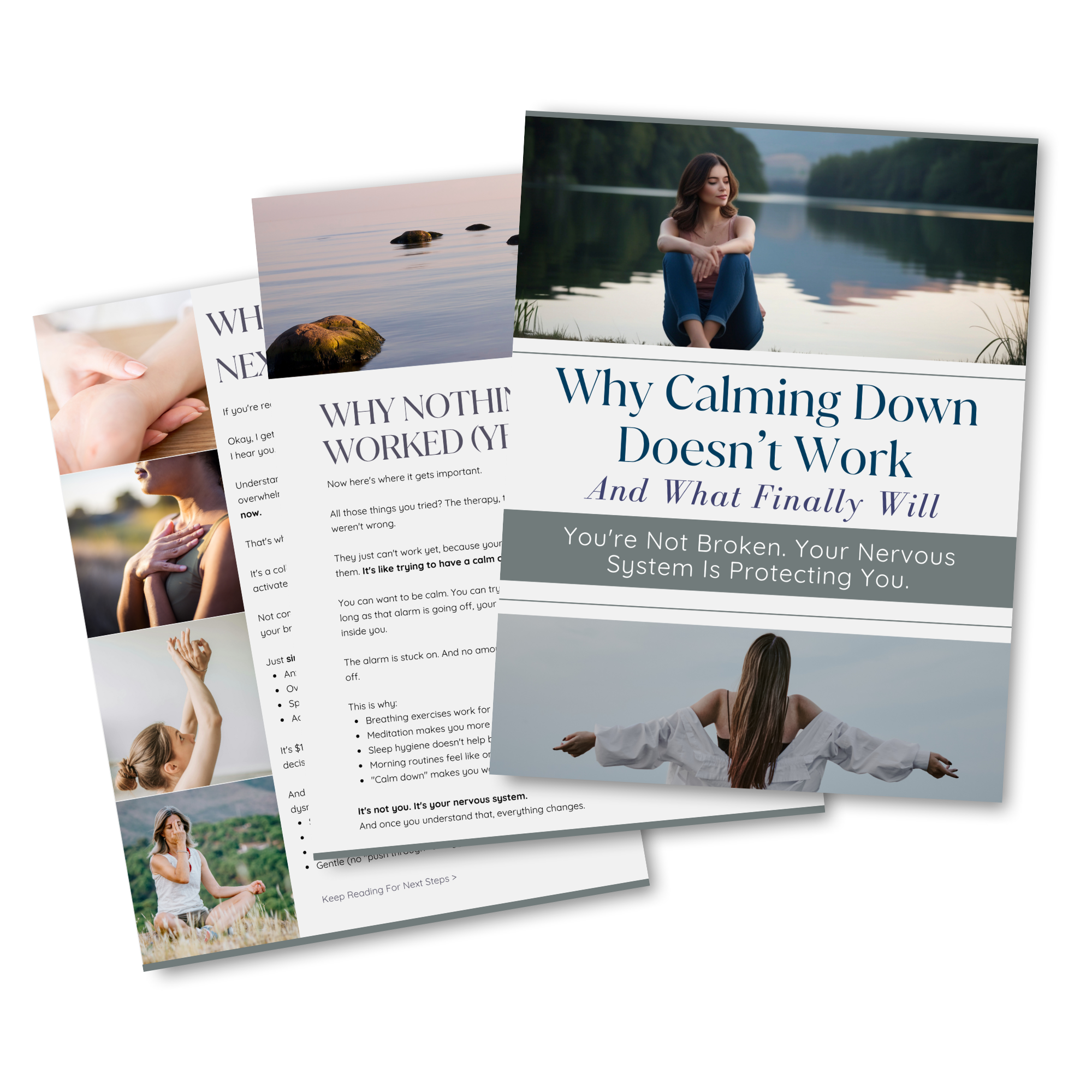
Free Guide: Why Calming Down Doesn’t Work
(And What Finally Will)
You’re Not Broken. Your Body Is Protecting You.
Your inbox stays calm, too. Unsubscribe anytime. We respect your privacy.
Incorporating Natural Elements for Serenity
To make your home peaceful, think about adding natural elements. Plants, wood, and stone can make your space calm and connect you to nature. You can do this by adding plants, using natural materials, and creating a serene atmosphere.
Here are some ways to add natural elements to your decor:
- Adding plants, such as succulents or ferns, to your space
- Using natural materials, such as wood or stone, in your design
- Creating a peaceful atmosphere with natural elements, such as a water feature or a nature-inspired art piece
Adding natural elements can really change your home’s feel. It brings the outdoors inside, making your space calm and serene. This can help lower stress and make you feel better. Natural elements also clean the air and make your home look better.
Think about what look you want for your home. Do you want it calm and peaceful, or lively and energetic? Pick natural elements that match your style. Arrange them to make your space balanced and harmonious.
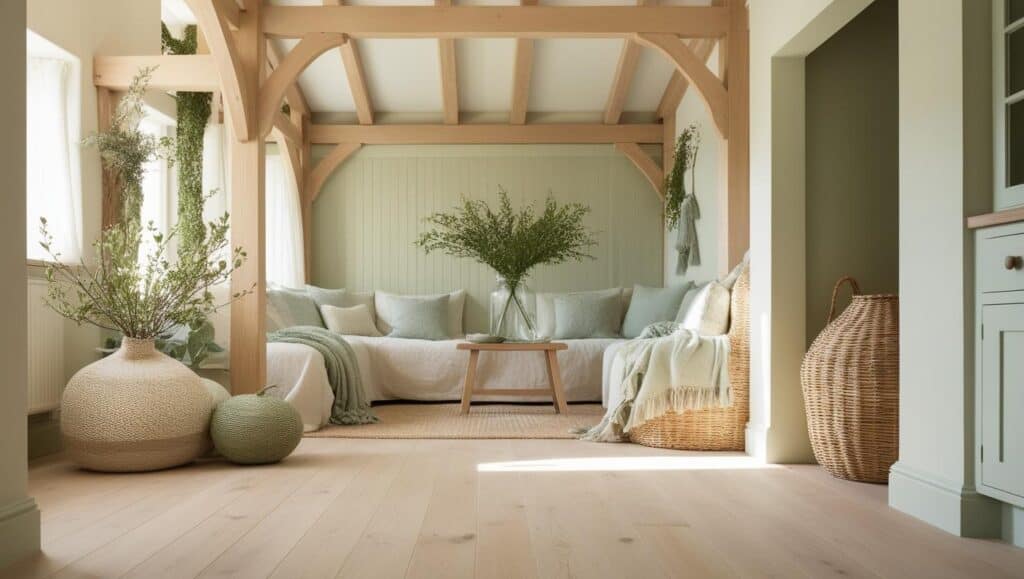
By adding natural elements, you can make your home a peaceful place. Whether it’s plants, natural materials, or a calming atmosphere, you can create a space that feels calm and connected to nature.
| Natural Element | Benefits |
|---|---|
| Plants | Purify the air, improve aesthetic |
| Wood | Create a sense of warmth, add texture |
| Stone | Add visual interest, create a sense of calm |
Optimizing Your Peaceful Home with Proper Lighting
Lighting design is key to a peaceful home. A good lighting system changes your living space’s feel. To create a calm and welcoming place, think about both natural and artificial light.
Maximizing natural light is important. Use mirrors and reflective surfaces to boost the light in your home. Also, strategic window placement helps bring in more natural light.
Natural Light Solutions
- Use mirrors to reflect natural light and create the illusion of more space
- Incorporate sheer curtains or blinds to filter natural light and reduce glare
- Consider skylights or larger windows to increase natural light entry points
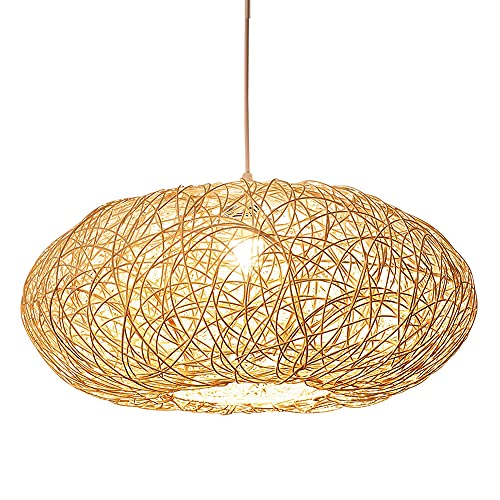
Artificial lighting can also make your home peaceful. Choose the right fixtures and use layered lighting for a cozy feel. Home lighting can be adjusted for relaxation or fun.
Artificial Lighting Tips
Follow these lighting tips to make your home peaceful. Balance natural and artificial light for the best effect.
| Lighting Type | Benefits |
|---|---|
| Natural Light | Improves mood, reduces energy consumption |
| Artificial Light | Provides flexibility, can be tailored to specific needs |
Setting Up Dedicated Relaxation Zones
Creating a peaceful home environment needs careful planning. One key part is setting up relaxation zones for calmness. These can be simple, like a reading nook, or more complex, like a meditation room. It all depends on what you like and your home design style.
To make a good relaxation zone, consider these things:
- Comfortable seating and lighting
- Soothing colors and textures
- Calming sounds and scents
- Minimal clutter and distractions
Think about what relaxes you when designing your zone. Do you like quiet or calming music? Adding these to your peaceful spaces makes a haven for relaxation and less stress.
Adding relaxation zones to your home makes it more peaceful. Keep your zone tidy and comfy. Try different designs until you find what relaxes you the most.

Using Sound Management to Enhance Tranquility
Sound greatly affects our mood and feelings. Good sound management is key to a peaceful home. By using quality sound, you can lower noise and make your home calm and serene.
To do this, think about using noise reduction methods. This could be soundproofing materials or a quiet room. Adding peaceful sounds, like nature or calming music, also helps. You can use sound machines or play music to create a peaceful vibe.
Noise Reduction Techniques
- Use soundproofing materials to minimize external noise
- Create a quiet space by reducing clutter and using noise-reducing furniture
- Utilize sound-absorbing materials to reduce echo and reverberation
By using these noise reduction methods and adding peaceful sounds, you can make your home a calm place. Sound management is important for a peaceful home. These steps help make your home more serene.
Adding Peaceful Sounds
Peaceful sounds, like nature or calming music, deeply affect our mood. Adding these sounds to your home can make it calm and peaceful. Use sound machines or music to make your home more relaxing.

Maintaining Your Peaceful Home Daily
Creating a peaceful home is a continuous journey, not a one-time task. It needs daily effort and commitment. To keep your home peaceful, set up a daily routine that encourages calmness.
Activities like meditation, yoga, or reading can reduce stress and support peaceful living. Also, doing home maintenance tasks, like cleaning and organizing, can make your home feel calm and serene.
Here are some tips for keeping your home peaceful every day:
- Begin each day with mindfulness, like meditation or deep breathing
- Make self-care a priority, focusing on activities that bring relaxation and calmness
- Include home maintenance tasks in your daily routine, such as cleaning and organizing
By following these tips and creating a daily routine that promotes calmness, you can make your home a peaceful space. Remember, peaceful living is a journey, not a destination. It takes daily effort and dedication to keep your home calm and serene.

Once your space feels calmer, the next step is making sure your body feels it too. Our guide to creating a mindful home goes deeper into how your physical environment shapes your nervous system.
Conclusion: Embracing Serenity in Your Living Space
Creating a peaceful home is a journey that needs dedication and thought. By using the 15 simple tips from this article, you can turn your home into a serene place. This place will help you relax and find peace in your home decor.
A peaceful home is not just about looks. It’s also about feeling calm. As you work on your peaceful home, make small but big changes. Use calming colors, natural things, and soft sounds to make your home peaceful.
By focusing on your home decor and well-being, you can make a special place. This place will be more than just walls. It will be a part of your everyday life.
Start your journey to a peaceful home and enjoy the calm it brings. Your home shows who you are, so make it a place to relax and refresh. With effort and care, you can make your home a peaceful haven.

Hope In Your Pocket: Somatic Nervous System Regulation Toolkit
$17.00
Something is off and your brain won’t stop reminding you. The replaying conversations at 2am. The spiraling before a meeting that hasn’t even started. The exhausting cycle of worry, second-guessing, and overthinking that steals your peace and your presence.
This digital toolkit gives you four tools that work WITH your nervous system instead of against it. A 14-page guide with the FACE method for real-time regulation, 21 somatic grounding cards for your phone, a 7-minute meditation audio based on Dr. Claire Weekes’ approach, and a 16-page bonus therapy guide.
You’ve been told to “just stop overthinking” like it’s a choice. It’s not. It’s a nervous system response you can learn to work with. This kit shows you how, for less than a single therapy co-pay.
Description
I remember the exact moment I realized I needed something different. I was sitting in my car after dropping my son at school, hands still shaking, heart still pounding from a conversation that should not have been that hard. I had all the “right” tools. The breathing app on my phone. The journal on my nightstand. The affirmation cards on my mirror. None of them worked when my body was already in full alarm mode. Not because the tools were bad. Because they were designed for a calm person trying to stay calm. Not for a woman whose nervous system had already left the building. That gap is why this toolkit exists.You’re Not Broken. Your Brain Is Trying to Keep You Safe.
When your mind treats every Tuesday like an emergency, it creates an exhausting cycle of worry, second-guessing, and mental spirals that steal your peace and your presence. You’ve probably been told to “just stop overthinking” like it’s a choice you’re making instead of a nervous system response you can learn to work with. I spent years trying to calm down the way everyone tells you to. Deep breath. Positive thought. Push through. My hands still got sweaty in the coffee shop drive-through. My vision still narrowed at the school drop-off line. My jaw was still clenched by noon every single day. What finally changed wasn’t trying harder. It was understanding what my nervous system was actually doing and giving it tools that spoke its language.What’s Actually Happening When “Calming Down” Doesn’t Work
When your nervous system shifts into a protective state, your thinking brain goes partially offline. You can’t journal your way out of it. You can’t affirm your way through it. You need tools that work with your body first, then let your mind catch up. One of our buyers described her before state as simply: “chaos.” Another said she was “stuck in fight or flight.” They didn’t need more information about why they felt the way they felt. They needed something to do about it, right now, in the middle of it.What’s Inside Your Toolkit
The Hope In Your Pocket Guide (14 pages, $12 value) This walks you through understanding YOUR specific nervous system patterns and building YOUR personal somatic toolkit. It includes the FACE method, a framework for regulation in real moments, not theoretical ones. Not a textbook. One reader described it as “coffee with a friend who totally gets it.” 21 Somatic Grounding Cards ($12 value) Digital cards you save to your phone. One body-based technique per card. For meetings, waiting rooms, the school pickup line, or 2am when your brain won’t stop. Pick the card. Do the thing. When overthinking hits, your rescue is just a glance away. Hope & Help Meditation Audio, 7 minutes ($15 value) Based on Dr. Claire Weekes’ revolutionary approach to working with anxiety instead of against it. This isn’t about emptying your mind. It’s about changing your relationship with your thoughts. Not too long, not too woo-woo. Just practical help when you need it most. FREE Bonus: Somatic Therapy Guide (16 pages, $10 value) Covers the science behind why these tools work. Trauma and the body, mindfulness techniques, advanced somatic tools, and nervous system regulation explained in plain language. For when you want to understand the “why,” not just the “how.” Total value: $49. Your price: $17.This Isn’t About Perfect Calm. It’s About Coming Home to Yourself.
You don’t need to eliminate overthinking completely. You just need to know you can bring your mind back to the present moment enough to:- Actually enjoy your coffee instead of spiraling about tomorrow’s meeting
- Fall asleep peacefully instead of replaying every conversation from the day
- Make decisions confidently instead of second-guessing yourself into paralysis
- Show up fully in moments that matter most
Why This Instead of Free Resources?
Because free resources give you information. This gives you a system. The guide helps you identify your patterns. The cards give you something to reach for in the moment. The audio meets you when your body needs more than reading. The bonus fills in the science when you’re ready for it. Compare:- One therapy session: $100-200 (and you’re still waiting weeks for the next appointment when overthinking hits)
- Meditation app subscriptions: $60-120/year (for 20-minute sessions you’ll never have time for)
- Self-help books: $15-25 each (that collect dust while your mind keeps spinning)
- This complete toolkit: $17 (and unlike therapy sessions, you own these tools forever)
This Toolkit Is For You If:
- Your mind spins in worry loops that feel impossible to break
- “Just breathe” feels patronizing when you’re in a mental spiral
- You’re new to somatic work and want a starting point that isn’t a 30-day course
- You feel “off” but can’t quite name what’s going on in your body
- You want tools that work in real moments, not just during meditation
- You’re in counseling and want something to practice between sessions
- You need clinical support (this is a self-guided toolkit, not a replacement for therapy)
- You’re looking for a one-time fix
How It Works
Download the bundle. Save the grounding cards to your phone. Print the guide or read it digitally. Listen to the audio when you need it. Start with whatever feels right. There’s no order, no curriculum, no wrong way to use it. 30-day money-back guarantee. If it doesn’t feel right, email hello@higherselfhub.com and it’s handled. Your body has been trying to protect you. These tools help you work with it instead of against it. It’s time to put hope back in your pocket. Not sure yet? Start with our free guide: Why Calming Down Doesn’t Work (And What Finally Will)Related products



And once your home feels softer, help your body catch up. Grab Why You Can’t Calm Down below.
Free Guide: Why Calming Down Doesn’t Work
(And What Finally Will)
You’re Not Broken. Your Body Is Protecting You.
Your inbox stays calm, too. Unsubscribe anytime. We respect your privacy.




Reviews
There are no reviews yet.