
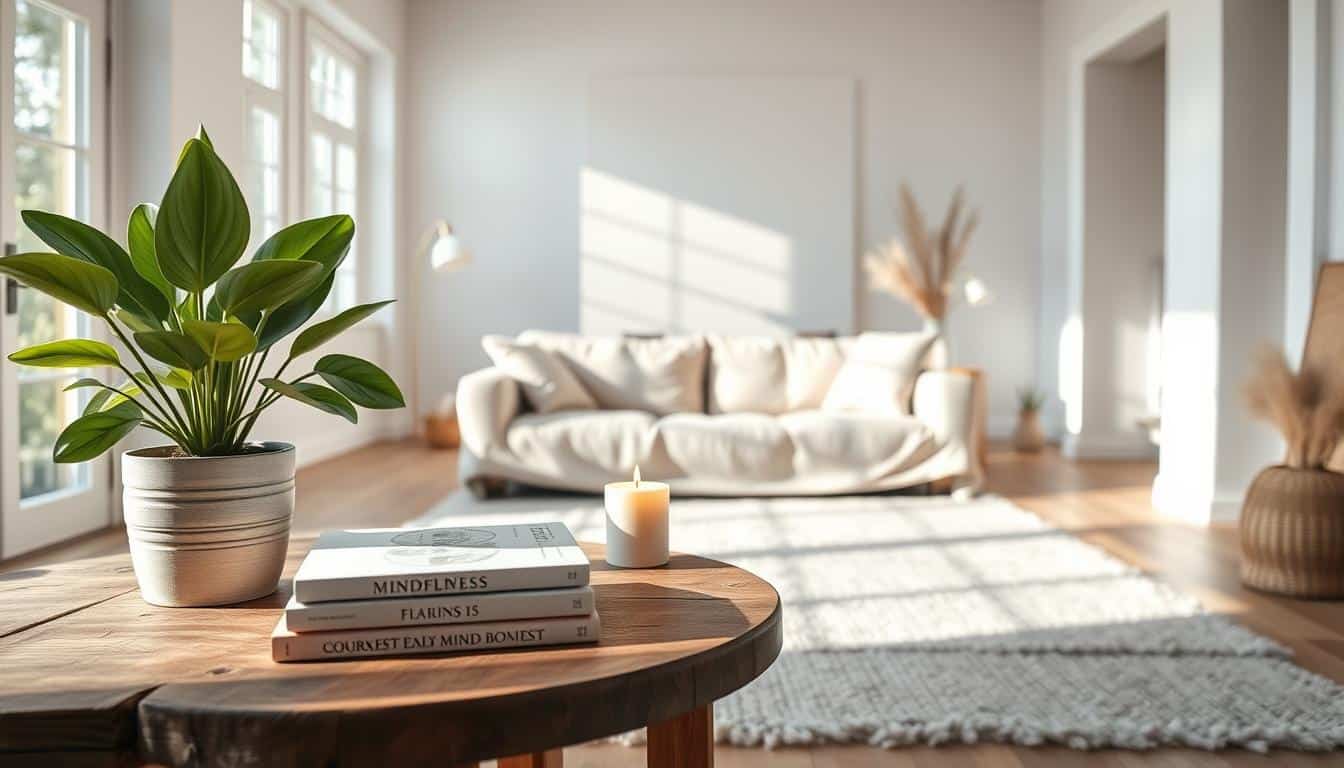
Mindful Home: How To Create a Calming Space
Imagine walking through your front door and feeling your shoulders instantly relax, your breathing slow, and your mind clear. This isn’t just a fantasy—it’s the reality of a mindful home, where intentional design meets emotional wellbeing.
In today’s chaotic world, our living spaces have become the ultimate sanctuary, powerful enough to either amplify our stress or dissolve it completely.
The thoughtful curation of home decor isn’t merely aesthetic—it’s therapeutic. Studies show that decluttered spaces lead to decluttered minds, while minimalism isn’t just a design trend but a pathway to mental clarity. When we create balance in our physical environment, we cultivate balance within ourselves.
In this guide, we’ll unveil the transformative secrets of mindful living spaces. From color psychology to purposeful organization, you’ll discover actionable strategies to craft a home that doesn’t just look beautiful—it feels like a deep breath for your soul.
Key Takeaways
- Transform your mental wellbeing through the intentional design of a mindful home
- Strategically selected home decor serves as a practical tool for anxiety reduction and stress management
- Embrace minimalism not just as an aesthetic choice, but as a pathway to mental clarity and emotional balance
- Create sensory-rich yet uncluttered spaces that naturally guide your mind toward calm and presence
- Discover how color psychology, natural elements, and purposeful organization work together to elevate your daily experience
- Learn actionable techniques to turn ordinary rooms into rejuvenating sanctuaries that support your mental health
Understanding the Mindful Home: A Sanctuary for Wellbeing
A mindful home is your physical commitment to wellness and self-care. It creates an environment that guides you toward calm and present-moment awareness.
Research confirms our surroundings directly influence our emotions and behaviors. Studies show cluttered spaces trigger cortisol production, increasing anxiety levels.
In contrast, a mindful home works with your nervous system to promote relaxation. This holistic approach addresses your wellbeing at its environmental source.
Essential Elements of Your Mindful Home Journey
To transform your space into a genuine mindful home, focus on these key elements:
- Natural Light and Airflow: Position furniture to maximize sunlight and create pathways for fresh air, establishing your mindful home’s energetic foundation.
- Sensory Harmony: Choose calming colors and textures that create visual peace throughout your mindful home.
- Purposeful Organization: Eliminate visual noise through decluttering solutions that maintain your mindful home’s energetic clarity.
- Living Elements: Add touches of nature that bring your mindful home into alignment with natural rhythms.
When combined, these elements make your mindful home an active participant in your wellness practices. Your environment begins working for you, not against you.
Next, we’ll explore practical strategies to transform ordinary spaces into extraordinary mindful home sanctuaries.
Decluttering: The Gateway to Your Mindful Home
The ancient wisdom of feng shui meets modern interior design in one powerful truth: a cluttered space creates a cluttered mind. In creating your mindful home, remember that what surrounds us shapes us—physically, mentally, and emotionally. When we intentionally strip away the unnecessary, we don’t just create visual harmony; we create mental space for creativity, focus, and peace to flourish.
Decluttering isn’t merely about tidiness—it’s a cornerstone practice for your mindful home that asks one essential question: “Does this item support the sanctuary I’m creating?”
The Mindful Method to Decluttering
To further develop your mindful home, transform your space with these intentional practices:
- Conscious Categorization: Rather than overwhelming yourself with entire rooms, focus on categories—clothes, books, papers—evaluating each item’s purpose and joy it brings to your life.
- Thoughtful Storage Solutions: Building on this approach, invest in beautiful containers that align with your aesthetic while concealing visual noise—remember that even organized clutter disrupts the essence of a mindful home.
- Ritual Maintenance: As a natural extension of your decluttering efforts, establish sacred daily moments for returning items to their homes, preventing the slow creep of chaos back into your sanctuary.
Not surprisingly, the intersection of interior design principles with feng shui wisdom creates more than just visual appeal—it establishes energetic flow that you can feel the moment you enter your mindful home. As you create balanced living environments, you’ll begin to notice subtle shifts: deeper sleep, clearer thoughts, more present conversations.
The journey toward a mindful home isn’t about perfection—it’s about intention. Each item you mindfully remove creates space for something more valuable: tranquility. In essence, your mindful home becomes not just where you live, but where you thrive.
Watch our guided decluttering meditation for your mindful home here:
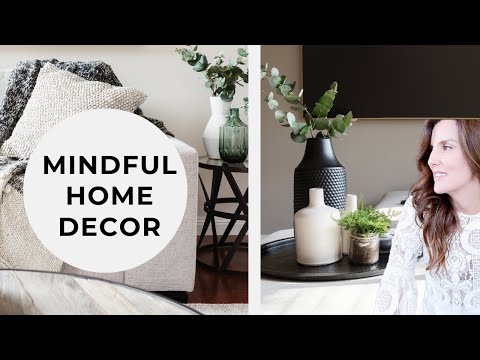
Essential Elements of a Peaceful Living Space
Creating a peaceful living space is key for our health. It means adding elements that help us stay mindful and live sustainably. A well-designed space can lower stress, boost mood, and make us more productive.
When designing a peaceful living space, consider these key elements:
- Natural Light and Air Flow: Using natural light and air can change a room’s feel.
- Color Psychology: Colors like blues and greens can make us feel calm and serene.
- Incorporating Natural Elements: Adding plants, wood, or stone can make a space feel warm and cozy.
- Sound Management: Cutting down on noise and adding soothing sounds, like nature, can make a space peaceful.
By adding these elements, we can make a space that helps us relax, lowers stress, and supports our well-being.
| Element | Benefits |
|---|---|
| Natural Light | Improves mood, reduces stress |
| Color Psychology | Elicits feelings of calmness, serenity |
| Natural Elements | Brings warmth, coziness to a space |
| Sound Management | Creates a peaceful atmosphere, reduces noise pollution |
By focusing on mindfulness practices and sustainable living, we can make a space that’s not just peaceful but also good for the planet.
The calmest room in the house can’t regulate your nervous system for you. My free guide explains what actually does.

Free Guide: Why Calming Down Doesn’t Work
(And What Finally Will)
You’re Not Broken. Your Body Is Protecting You.
Your inbox stays calm, too. Unsubscribe anytime. We respect your privacy.
Creating Sacred Spaces in Your Mindful Home
Creating a home that cares for your body and soul is a journey. It needs attention to detail and a desire to make spaces that are calm. Home organization and decluttering are key steps. They help you make a peaceful and useful environment.
By organizing your home, you make it not just look good but also improve your mental health. Clutter can make you feel stressed, anxious, and overwhelmed. But a tidy space can bring calm, clarity, and focus. Try the KonMari method to keep only what brings you joy.
- Designating a quiet room or area for meditation and reflection
- Incorporating natural elements, such as plants or a water feature, to promote a sense of calm
- Using soothing colors and textures to create a peaceful atmosphere
- Investing in comfortable and ergonomic furniture to support relaxation
By adding these elements and focusing on home organization and decluttering, you can make a sacred space. This space will nourish your mind, body, and spirit. The goal is to create a place of harmony, balance, and peace. This will help you live a more mindful and happy life.
| Space | Purpose | Design Elements |
|---|---|---|
| Meditation Room | Reflection and contemplation | Calm colors, natural light, comfortable seating |
| Reading Nook | Relaxation and leisure | Cozy textiles, warm lighting, plush furniture |
| Outdoor Oasis | Nature connection and rejuvenation | Natural materials, water feature, lush greenery |
Mindful Organization Systems
Creating a peaceful home is more than just cleaning up. It’s about setting up mindful systems that bring harmony. With smart storage and minimalist decor, your home can become a calm oasis.
Choosing minimalist decor changes your home’s feel. It helps you focus on what matters, cutting out distractions. Pairing it with smart storage makes your space both useful and beautiful.
Smart Storage Solutions
Smart storage keeps your home tidy and organized. Here are some tips:
- Use wall shelves and units to save floor space
- Choose furniture that does more than one thing
- Follow the “one in, one out” rule to avoid clutter
Daily Maintenance Routines
Having daily routines helps keep your space organized. Spend a few minutes each day cleaning up. Try to have a “home for everything” rule, where each item has its spot.
Sustainable Practices for Home Harmony
Living eco-friendly is key to a peaceful home. Green design helps cut down on waste and makes our homes better. It also means less energy use, cleaner air, and more sunlight.
To live more sustainably, try these tips:
- Use energy-efficient appliances and lighting
- Incorporate natural materials, such as wood and bamboo, into home decor
- Implement recycling and composting programs
- Utilize eco-friendly cleaning products
These actions make our homes better for us and the planet. The United States Environmental Protection Agency says eco-friendly living cuts down on pollution and makes our air cleaner.
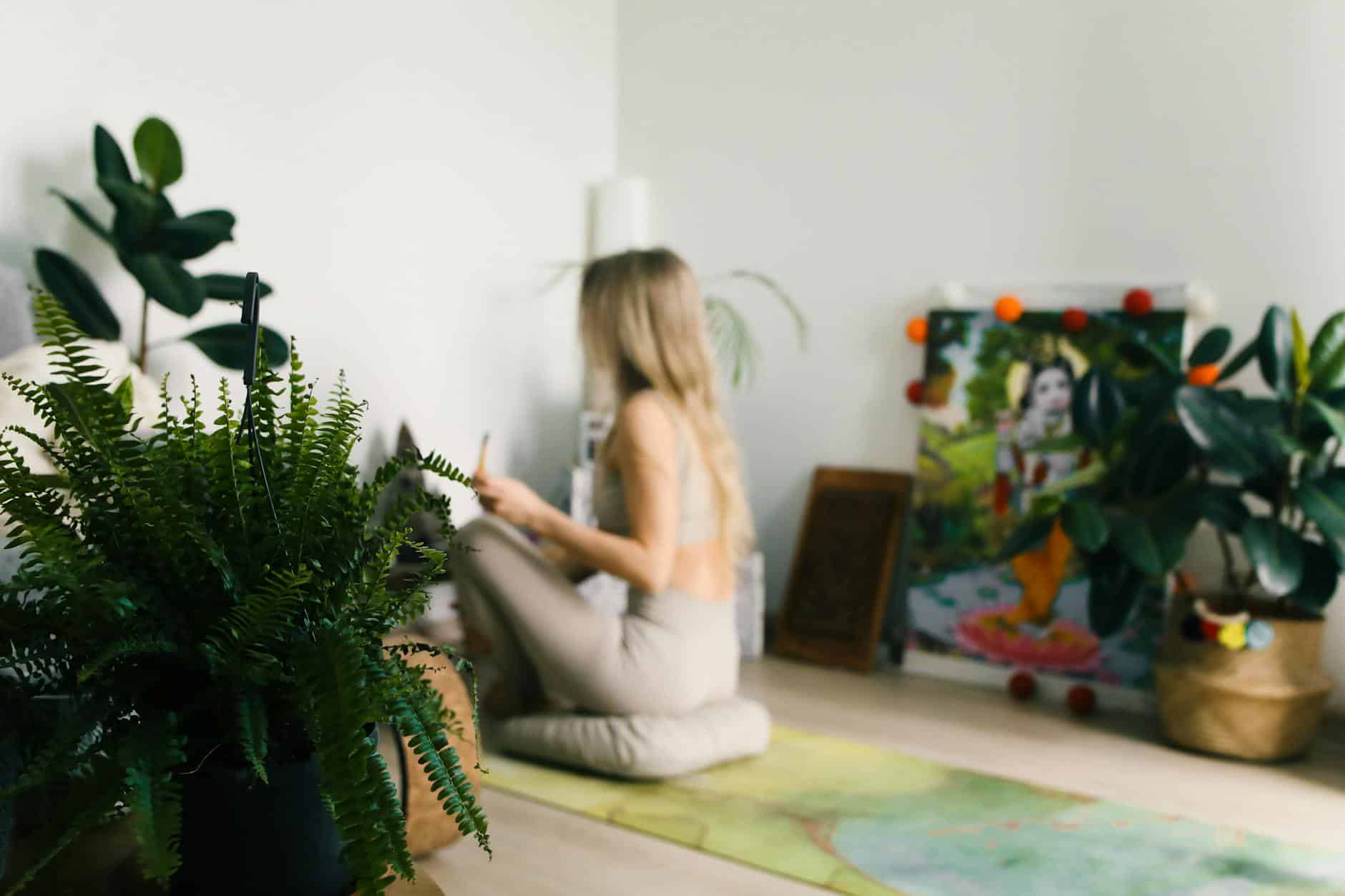
In short, green living is crucial for a calm home. By using eco-friendly methods, we can make our homes better for us and the Earth.
| Benefits of Eco-Friendly Living | Description |
|---|---|
| Reduced Energy Consumption | Lower utility bills and reduced greenhouse gas emissions |
| Improved Air Quality | Healthier indoor air and reduced pollution |
| Increased Natural Light | Improved mood and reduced need for artificial lighting |
Designing Mindful Rooms and Zones
Creating a mindful home is more than just the overall vibe. It’s about making each room and zone a haven for calm. By adding peaceful spaces to our lives, we boost our mental and emotional health.
Bedroom Sanctuaries
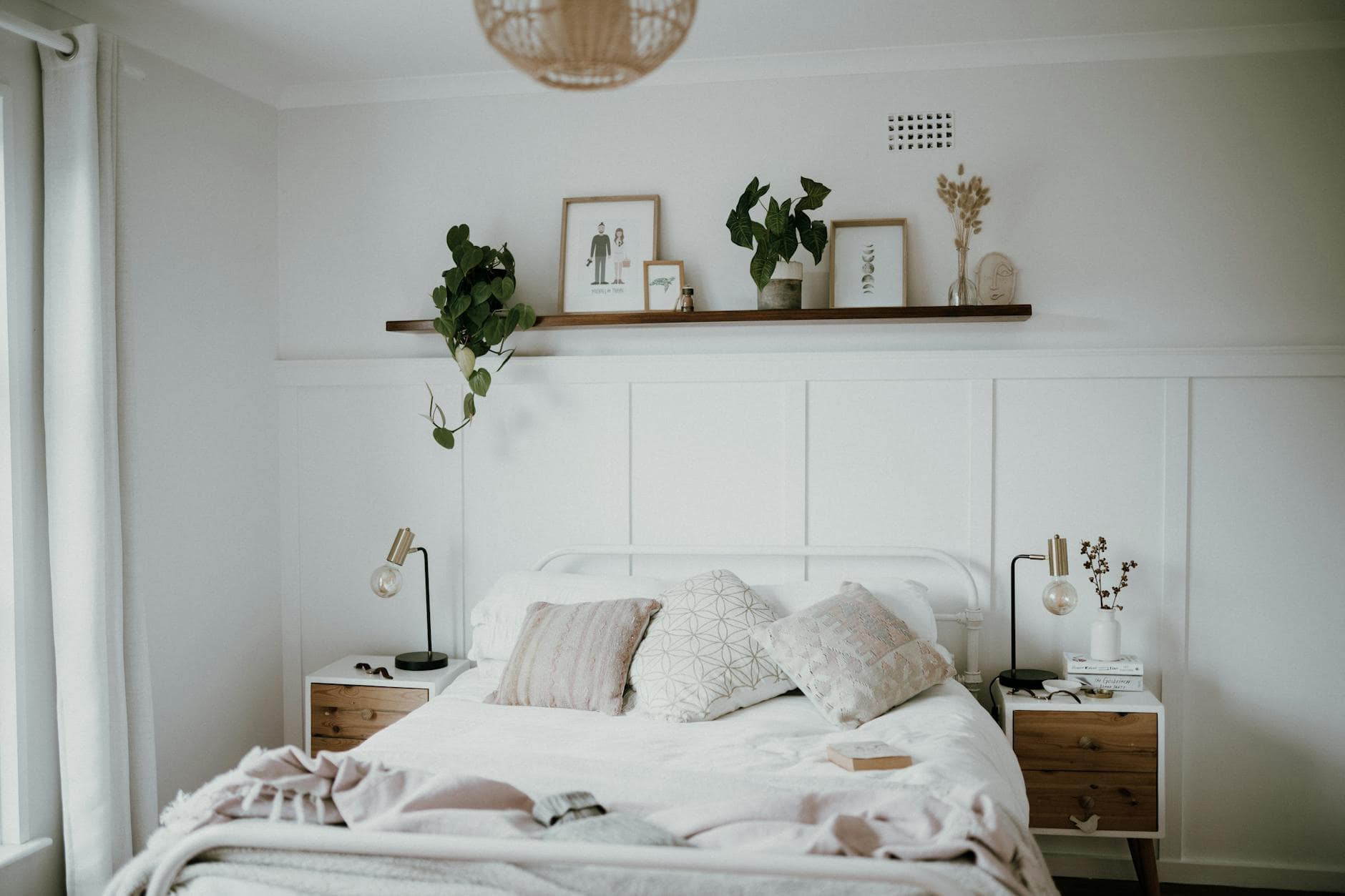
A bedroom should be a place of rest and calm. Use soft colors like light blue or pale green. Add plants or a water feature for a natural touch. A comfy bed and quiet space are key for a good night’s sleep.
Peaceful Living Areas
Make your living areas calm with soothing colors and comfy furniture. Add plants, fresh flowers, or peaceful art. Sound management, like calming music or white noise, helps reduce stress.
Mindful Work Spaces
A mindful work space should be both peaceful and organized. Choose a comfy chair and a desk with a nice view. Decorate with calming items like plants or art. Sound management, like music or white noise, helps focus.
Designing mindful rooms and zones makes our homes peaceful and productive. Incorporate these spaces into your daily life for better mental and emotional health.
| Room | Design Elements | Benefits |
|---|---|---|
| Bedroom Sanctuary | Calming colors, natural elements, comfortable bed | Promotes rest and relaxation |
| Peaceful Living Areas | Soothing colors, comfortable furniture, calming decor | Reduces stress and promotes relaxation |
| Mindful Work Spaces | Comfortable chair, peaceful view, calming decor | Promotes productivity and focus |
Incorporating Mindfulness Rituals into Your Space
Creating a mindful home is more than just the physical space. It’s also about the habits and routines that fill it. Adding mindful routines to your daily life can greatly improve your well-being. By focusing on self-care practices, you can bring calm and balance into your life.
Here are some ways to add mindfulness rituals to your daily routine:
- Start your day with meditation or deep breathing.
- Do physical activities like yoga or walking to clear your mind.
- Make time for reflection and journaling.
By adding these mindful routines to your day, you can make your home more peaceful and balanced. Remember, self-care practices are essential for your overall well-being, not a luxury.
As you work on making your home more mindful, be patient and kind to yourself. Adding mindfulness rituals is a journey, and it’s okay to take it slow. With regular practice and commitment, you can create a home that nourishes your mind, body, and soul.
Embracing Your Journey to Serene Living
Creating a mindful home isn’t a destination—it’s an ongoing practice. Small, consistent changes toward balanced living make the biggest impact.
Begin with just one room or corner. Notice how it immediately affects your mood and energy levels as you implement conscious design principles.
Remember, your living space should reflect your unique personality and needs. What brings peace to one person may feel sterile to another.
Studies confirm that a wellness-centered environment significantly improves mental health—lowering stress, boosting mood, and enhancing sleep quality. These benefits extend far beyond aesthetics.
Your journey toward mindful living is perhaps the most important self-care investment you’ll make. After all, where we live shapes how we live.
A calming space sets the stage, but what happens when your body still won’t settle? That’s where your nervous system comes in. Read about how your body knows how to sleep well when you give it the right signals.
Start today with just one small change. As you continue adding thoughtful elements that resonate with you, your entire home will gradually transform into a restorative sanctuary in our increasingly chaotic world.
Looking for calming tools beyond your space? Try these 60-second calming techniques for a quick nervous system reset.
And if you want your body to feel as calm as your space looks, grab Why You Can’t Calm Down below.
Free Guide: Why Calming Down Doesn’t Work
(And What Finally Will)
You’re Not Broken. Your Body Is Protecting You.
Your inbox stays calm, too. Unsubscribe anytime. We respect your privacy.