
How To Make A Holistic Bedtime Kit (for Restful Sleep)
When I was recovering from a brain injury, I spent a lot of time focused on sleep. One doctor had a phrase he’d always repeat in our sessions to help me understand what was happening in my brain. “Brain injury mimics sleep deprivation”. The reason he said that? We ALL know what sleep deprivation feels like. And how hard it is to struggle through.
That’s why I put together this holistic bedtime kit for more restful sleep. Because not only does a lack of good sleep drain you, it’s hard on your brain and your body. These ideas are gentle, supportive, and backed by science that I learned as I was recovering from a brain injury. Implement these for one of the most fundamental aspects of wellness: quality sleep.
The Science of Sleep: A Pillar of Holistic Health
What Happens During Sleep?
Sleep isn’t a uniform state but a complex cycle of different stages, each serving crucial biological functions:
- NREM (Non-Rapid Eye Movement) Sleep – Divided into three stages:
- REM (Rapid Eye Movement) Sleep – Where most dreaming occurs, crucial for memory consolidation, emotional processing, and cognitive function (10-60 minutes)
Throughout the night, we cycle through these stages approximately 4-6 times, with REM periods lengthening as the night progresses.
The Neuroscience Perspective
Dr. Andrew Huberman, professor of neurobiology at Stanford University School of Medicine, emphasizes that sleep quality dramatically impacts neuroplasticity—your brain’s ability to reorganize and form new neural connections. In his research and popular podcast, Huberman highlights several key aspects of sleep science:
- Circadian Rhythm Entrainment: Viewing morning sunlight within 30-60 minutes of waking triggers a cascade of hormonal signals that properly align your entire day-night cycle.
- Temperature Regulation: Core body temperature naturally drops by 1-2°F to initiate sleep. This drop is as important as darkness for quality sleep.
- Adenosine Clearance: During wakefulness, adenosine accumulates in the brain, increasing sleep pressure. Only during deep sleep is this compound cleared, which is why caffeine (an adenosine blocker) disrupts sleep even many hours after consumption.
- Glymphatic System Activation: This recently discovered brain-cleaning mechanism activates powerfully during deep sleep, clearing metabolic waste and potentially toxic proteins like beta-amyloid (associated with Alzheimer’s disease).
Sleep’s Impact on Whole-Body Health
Research has linked insufficient sleep to a staggering array of health concerns:
- Metabolic Disruption
- Immune Suppression
- Cardiovascular Strain
- Hormonal Imbalance
- Mental Health Vulnerability
- Cognitive Decline
As Matthew Walker, PhD, professor of neuroscience at UC Berkeley and author of “Why We Sleep,” succinctly puts it: “Sleep is the single most effective thing we can do to reset our brain and body health each day.”
Free Guide: Why Calming Down Doesn’t Work
(And What Finally Will)
You’re Not Broken. Your Body Is Protecting You.
Your inbox stays calm, too. Unsubscribe anytime. We respect your privacy.
Building Your Comprehensive Holistic Sleep Kit
A truly holistic approach to sleep involves creating an environment and ritual that supports your entire being—body, mind, and spirit. Each element in this kit serves a specific purpose in this integrative approach.
Physical Relaxation Tools
1. Castor Oil Pack
The Science: Castor oil contains ricinoleic acid, which has been shown to reduce inflammation and improve lymphatic circulation when applied topically.
How to Use: Apply organic, cold-pressed castor oil to a cotton or wool flannel cloth, place it on your abdomen, and cover with a heat source (heating pad or hot water bottle) for 30-60 minutes before bed. Many practitioners recommend using it 3-4 times weekly rather than daily.
What to Look For:
- Hexane-free, organic castor oil
- Unbleached cotton or wool flannel cloth
- Optional: A purpose-made castor oil pack kit with a non-toxic wrap
Benefits Beyond Sleep: Regular use may support digestive health, reduce menstrual discomfort, and support liver detoxification pathways.


2. Cork, Non-Toxic Yoga Mat
The Science: Gentle movement before bed has been shown to reduce sleep latency (time to fall asleep) by releasing physical tension and lowering cortisol levels.
How to Use: Perform 10-15 minutes of gentle stretching, focusing on hip openers, forward folds, and gentle twists. Yin yoga poses held for 3-5 minutes are particularly effective for activating the parasympathetic nervous system.
What to Look For:
- 100% natural cork surface (naturally antimicrobial)
- Natural rubber backing (avoid PVC or TPE)
- Appropriately thick for comfort (4-5mm is ideal)
- No added synthetic chemicals or adhesives
Expert Insight: Judith Hanson Lasater, PhD, PT, and yoga therapist, recommends “supported poses that elevate the legs above the heart to activate the relaxation response and improve circulation before sleep.”

3. Gua Sha Facial Tool
The Science: Facial tension often goes unnoticed but can contribute significantly to sleep disruption. Studies show facial massage improves blood circulation and stimulates the vagus nerve, which regulates parasympathetic activity.
How to Use: Apply 4-5 drops of facial oil and use gentle upward and outward strokes along jawline, cheekbones, and forehead for 3-5 minutes before bed.
What to Look For:
- Natural materials like jade, rose quartz, or amethyst
- Smooth, rounded edges
- Multiple edge shapes for different facial contours
- Paired with a clean, non-comedogenic facial oil
Traditional Wisdom: In Traditional Chinese Medicine, gua sha is believed to move stagnant qi (energy), particularly effective along the meridians that run through the face and neck.

4. Silk Pillowcases
The Science: Silk contains 18 amino acids and natural proteins that interact favorably with human skin. Its smooth surface creates significantly less friction than cotton (reducing “sleep creases” and hair breakage).
How to Use: Replace standard pillowcases with 100% mulberry silk options. Wash with enzyme-free detergent in cold water.
What to Look For:
- 19-25 momme weight (higher indicates better quality)
- 100% Grade 6A mulberry silk
- OEKO-TEX® Standard 100 certification (free from harmful substances)
- Reinforced seams for durability
Dermatologist’s View: Dr. Shereene Idriss, board-certified dermatologist, notes: “Silk pillowcases help maintain skin hydration throughout the night by reducing moisture loss, potentially improving skin barrier function over time.”

Environmental Optimization
5. Non-Toxic Candles
The Science: Conventional paraffin candles release petroleum byproducts when burned, including toluene and benzene. Studies from the EPA have linked these compounds to respiratory irritation and potential neurological effects.
How to Use: Light 30-60 minutes before bed to create a calming atmosphere, but extinguish before sleeping.
What to Look For:
- 100% beeswax, soy, or coconut wax (no paraffin)
- Cotton wicks (avoid metal cores)
- Scented only with pure essential oils (no synthetic fragrance)
- No artificial dyes
Environmental Benefit: Beeswax candles actually help purify air by releasing negative ions that bind with and remove toxins, dust, and allergens.

6. Red Light Reading Light
The Science: Harvard researchers have demonstrated that blue light (wavelengths <480nm) suppresses melatonin production up to twice as much as other wavelengths. Red light (>600nm) has minimal impact on circadian rhythms.
How to Use: Replace bedroom lights with red-spectrum options 2-3 hours before bed. Use a red reading light for bedtime reading.
What to Look For:
- True red light (not orange or amber)
- Adjustable brightness
- Comfortable design for reading
- Long battery life or reliable plugin option
Dr. Huberman’s Recommendation: “Using red light in the evening creates a ‘virtual sunset’ that signals to your brain that it’s time to prepare for sleep, without disrupting melatonin production.”

7. Red Light Therapy Lamp
The Science: Red and near-infrared light therapy (photobiomodulation) has been shown to increase mitochondrial function, reduce inflammation, and potentially increase melatonin production naturally.
How to Use: 10-15 minute exposure at a distance of 6-12 inches, ideally in early evening (not immediately before bed).
What to Look For:
- Medical-grade device with proper wavelengths (630-670nm and/or 830-850nm)
- Sufficient power output (at least 30mW/cm²)
- Timer function
- FDA-cleared for safety
Research Highlight: A 2019 study published in Nature Scientific Reports found that red light therapy improved sleep quality measures and reduced sleep onset time in patients with insomnia.

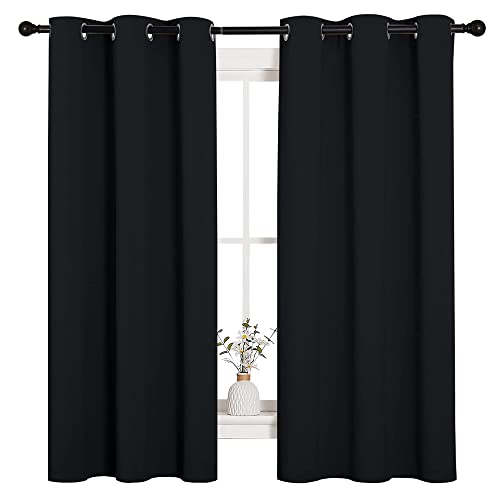
8. Blackout Curtains
The Science: Studies show that even low levels of ambient light during sleep can suppress melatonin and disrupt sleep architecture. A 2022 Northwestern University study found that exposure to just 100 lux of light during sleep increased next-morning insulin resistance and heart rate.
How to Use: Install properly sized curtains that completely block outside light. Consider sealing gaps with Velcro strips.
What to Look For:
- 100% blackout rating (not just “room darkening”)
- GREENGUARD certification (low chemical emissions)
- Natural materials when possible (cotton, linen, hemp)
- Proper size with overlap at edges
Sleep Science Note: Dr. Charles Czeisler of Harvard Medical School’s Division of Sleep Medicine found that even dim light can penetrate closed eyelids and affect brain activity during sleep.
Comfort & Self-Care
9. Organic Cotton PJs
The Science: Your skin absorbs compounds it contacts during the night. Conventional cotton is among the most heavily sprayed crops, containing residual pesticides, and is often treated with formaldehyde-releasing wrinkle resistors.
How to Use: Choose loose-fitting styles that don’t restrict movement or circulation.
What to Look For:
- GOTS (Global Organic Textile Standard) certification
- No added chemicals or flame retardants
- Pre-shrunk fabric
- Breathable weight appropriate for your sleep temperature
Temperature Regulation: According to sleep scientist Dr. Chris Winter, the ideal bedroom temperature for sleep is 65-68°F, and breathable natural fibers help maintain optimal skin temperature.

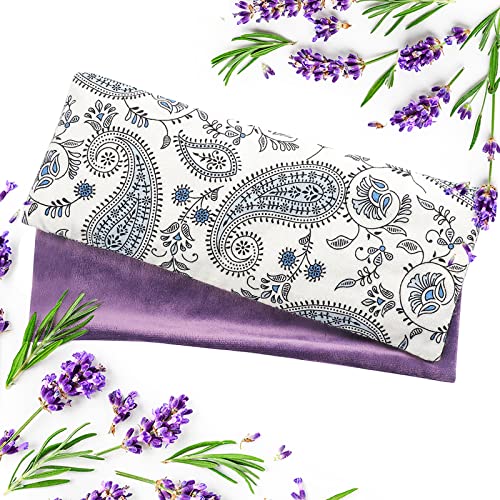
10. Lavender Eye Pillow
The Science: Research has shown that lavender essential oil contains linalool and linalyl acetate, compounds that interact with the limbic system and have demonstrated anxiolytic (anti-anxiety) effects. The gentle pressure on the eyes also stimulates the oculocardiac reflex, which can lower heart rate.
How to Use: Apply for 10 minutes during your bedtime routine or wear throughout the night if comfortable.
What to Look For:
- Organic flaxseed or rice filling (provides gentle weight)
- Organic fabric cover
- Real lavender (not synthetic fragrance)
- Removable, washable cover
Complementary Practice: Dr. Herbert Benson, founder of Harvard’s Mind/Body Medical Institute, recommends pairing eye pillows with the “relaxation response” technique—deep breathing while mentally repeating a calming word or phrase.
11. Coconut Oil for Oil Pulling
The Science: This Ayurvedic practice involves swishing oil in the mouth to remove bacteria. Research suggests it reduces oral bacteria that may contribute to inflammation throughout the body, potentially including inflammatory processes that disrupt sleep.
How to Use: Swish 1 tablespoon of oil for 15-20 minutes before brushing teeth at night, then spit into trash (not sink).
What to Look For:
- Organic, virgin coconut oil
- Cold-pressed, unrefined
- Glass container
- Hexane-free processing
Ayurvedic Perspective: Dr. Vasant Lad, renowned Ayurvedic physician, explains that oil pulling not only cleanses the mouth but helps balance the doshas (constitutional elements), particularly reducing excess Kapha that can lead to congestion during sleep.

For Mind & Breath
12. Dream Journal
The Science: REM sleep and dreaming play crucial roles in emotional processing and memory consolidation. Recording dreams strengthens the connection between conscious and subconscious mind while improving dream recall over time.
How to Use: Keep by bedside and write immediately upon waking, before checking phone or getting out of bed.
What to Look For:
- Unlined or dot-grid pages for both writing and sketching
- Soft cover that doesn’t make noise
- Attached pen holder
- Low-VOC paper and binding
Psychological Insight: According to clinical psychologist Dr. Rubin Naiman, a sleep and dream specialist at the University of Arizona, “Dreams are not just neural static or random brain activity. They are a unique form of intelligence that helps us process emotional experiences and expand consciousness.”

13. Mouth Tape
The Science: Nasal breathing activates nitric oxide production, which improves oxygen circulation, relaxes blood vessels, and has antimicrobial properties. Mouth breathing bypasses these benefits and is associated with snoring, dry mouth, and disrupted sleep.
How to Use: Apply a small piece of specially designed tape vertically across closed lips before sleep. Remove immediately if any discomfort occurs.
What to Look For:
- Purpose-made sleep tape (never use ordinary household tape)
- Gentle, skin-safe adhesive
- Breathable material
- Easy removal design
Medical Perspective: Dr. Mark Burhenne, family and sleep dentist, emphasizes: “Mouth breathing can change the pH of your mouth, leading to increased tooth decay, gum disease, and bad breath. More importantly, it activates the sympathetic nervous system—essentially putting your body in a subtle stress response all night long.”

Advanced Sleep Optimization Tools
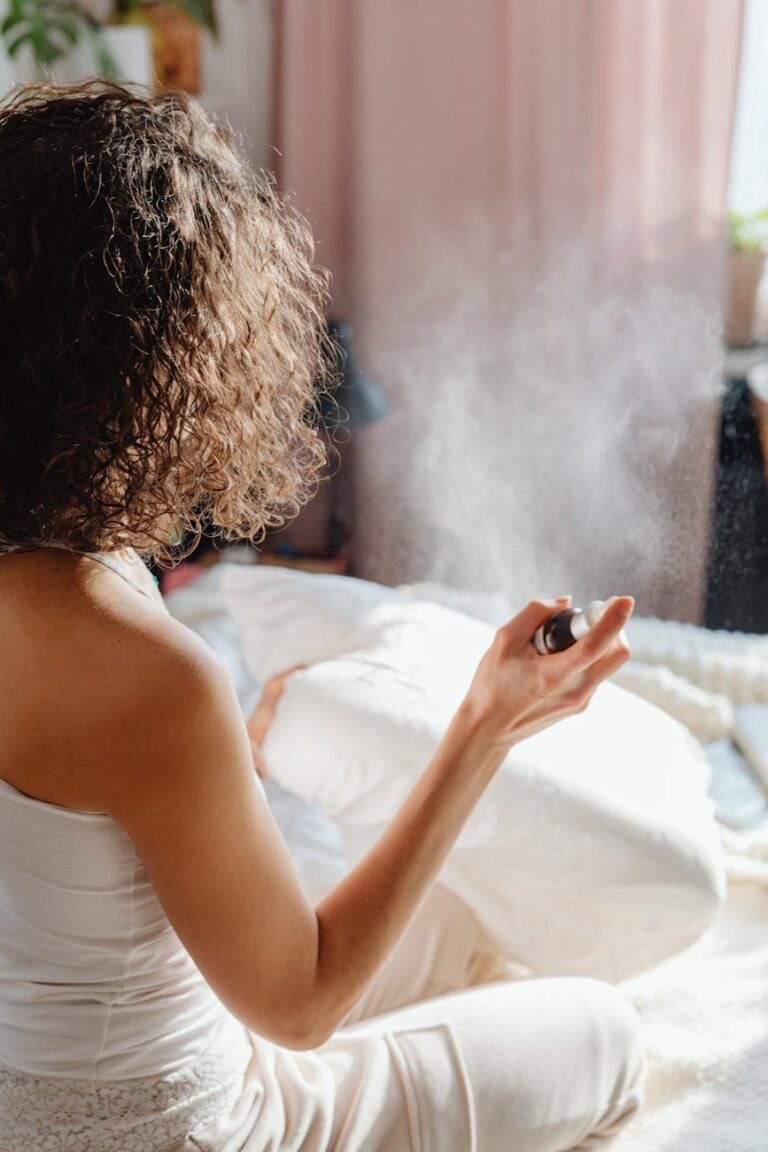
14. Magnesium Topical Spray
The Science: Magnesium is a natural calcium channel blocker and NMDA receptor antagonist, helping regulate neurotransmitters involved in sleep. Topical application may bypass digestive limitations and increase local muscle relaxation.
How to Use: Apply 5-10 sprays to feet, legs, or areas of tension 30 minutes before bed.
What to Look For:
- Magnesium chloride (more readily absorbed than magnesium sulfate)
- Pharmaceutical grade
- Minimal additional ingredients
- Unscented option for sensitivity
Research Note: A 2017 study in the Journal of Sleep Research found that magnesium supplementation improved insomnia symptoms, sleep efficiency, and melatonin concentration while reducing cortisol levels.

15. White Noise Machine
The Science: Consistent background noise creates a masking effect for disruptive sounds and may help the brain maintain sleep stages by reducing the novelty response to environmental noise.
How to Use: Place 3-6 feet from bed at a volume level of 60-70 decibels (conversation level).
What to Look For:
- True white noise or pink noise (not just nature sounds)
- Non-looping sound generation (avoid recorded tracks)
- Timer function
- Non-bright display
Acoustic Research: Pink noise—which contains all frequencies with emphasis on lower tones—may be particularly beneficial. A 2017 study in Frontiers in Human Neuroscience found pink noise increased deep sleep and improved memory in older adults.

16. Sleep-Tracking Ring
The Science: Non-invasive sleep tracking can identify patterns affecting sleep quality without the blue light or electromagnetic radiation associated with phones.
How to Use: Wear consistently to establish baseline sleep data, then use insights to adjust sleep habits.
What to Look For:
- Temperature monitoring (a key biomarker for sleep quality)
- Heart rate variability (HRV) tracking
- Minimal EMF emission
- Long battery life
Practical Application: Dr. Michael Breus, clinical psychologist and sleep specialist, recommends: “Look beyond just the hours of sleep to your sleep efficiency—the percentage of time in bed actually sleeping. Aim for 85% or higher, which smart rings can help track accurately.”

17. Herbal Sleep Tea Blend
The Science: Certain herbs contain compounds that interact with GABA receptors and other neurological pathways involved in sleep regulation.
How to Use: Drink 1 cup 60-90 minutes before bed (allowing time to use the bathroom before sleep).
What to Look For:
- Organic, loose-leaf herbs
- Combinations of scientifically-supported herbs:
- Glass or stainless steel teapot (avoid plastic)
Clinical Evidence: A 2020 systematic review in BMC Complementary Medicine and Therapies found that valerian, alone or combined with other herbs, significantly improved sleep quality in most studies analyzed.

18. Weighted Blanket
The Science: Deep pressure stimulation activates the parasympathetic nervous system, increasing serotonin and melatonin while decreasing cortisol. This mimics the neurological effects of being held or hugged.
How to Use: Choose a weight approximately 10% of your body weight. Introduce gradually if you’re not accustomed to the sensation.
What to Look For:
- Non-toxic glass bead filling (not plastic pellets)
- Organic cotton cover
- Even weight distribution design
- Breathable construction for temperature regulation
Research Finding: A 2020 randomized controlled trial in the Journal of Clinical Sleep Medicine found that weighted blankets significantly reduced insomnia severity and improved sleep maintenance, daytime functioning, and levels of daytime symptoms of fatigue, depression, and anxiety.

19. Himalayan Salt Lamp
The Science: While scientific evidence for negative ion production is limited, the warm amber glow contains minimal blue light and can serve as an ideal evening light source that doesn’t disrupt melatonin production.
How to Use: Turn on 2-3 hours before bed as part of light transition routine.
What to Look For:
- Authentic Himalayan salt (from Pakistan)
- Substantial size (7+ pounds for greater surface area)
- Wooden base (not plastic)
- UL-certified dimmer switch and components
Psychological Element: The warm glow creates a clear environmental cue that it’s time to wind down, supporting the psychological transition to sleep readiness.

20. Essential Oil Diffuser
The Science: Olfactory stimulation bypasses the thalamus and goes directly to the limbic system, providing immediate neurological effects. Certain essential oils contain compounds that have demonstrated sedative properties.
How to Use: Start diffuser 30-60 minutes before bedtime and set to turn off after 30 minutes (continuous all-night diffusion is not recommended).
What to Look For:
- BPA-free construction
- Intermittent mist setting
- Auto shut-off
- Silent operation
Effective Essential Oils for Sleep:
- Lavender (linalool, linalyl acetate)
- Bergamot (limonene, linalool)
- Cedarwood (cedrol)
- Vetiver (khusimol)
- Roman chamomile (angelic acid)
Aromatherapist Insight: According to certified aromatherapist Robert Tisserand, “Diffusing essential oils before sleep can create powerful associations between certain scents and relaxation, eventually strengthening the body’s conditioned response to these aromatic cues.”

Creating a Complete Bedtime Protocol
The true power of a holistic sleep kit emerges when its elements are integrated into a consistent, mindful bedtime ritual. Here’s a comprehensive protocol that incorporates core chronobiology principles with the tools discussed above:
Throughout the Day: Setting the Stage for Good Sleep
- Morning Light Exposure: As Dr. Huberman emphasizes, viewing sunlight within 30-60 minutes of waking sets your circadian rhythm for the entire day.
- Caffeine Curfew: Eliminate caffeine 8-10 hours before bedtime (typically by 2 PM) to allow adequate adenosine receptor clearance.
- Exercise Timing: Complete intense exercise at least 3-4 hours before bed. Light movement close to bedtime can be beneficial if it’s relaxing rather than stimulating.
- Stress Management: Incorporate mindfulness practices throughout the day. The ability to sleep well begins long before bedtime.
Evening Transition (2-3 Hours Before Bed)
- Light Modification: Reduce blue and bright light exposure. Use red light reading lamps, salt lamps, or candles. Wear blue-blocking glasses if using screens is unavoidable.
- Temperature Preparation: Start cooling your bedroom to 65-68°F. Take a warm shower or bath—the subsequent temperature drop mimics the natural drop in core body temperature that signals sleep onset.
- Nutrition Strategy: If hungry, choose a small protein-rich snack with some complex carbohydrates, avoiding simple sugars and large meals.
Pre-Sleep Ritual (60-90 Minutes Before Bed)
- Physical Relaxation (25-30 minutes):
- Mental Decompression (15-20 minutes):
- Final Preparations (10-15 minutes):
Sleep Environment Optimization
- Temperature: 65-68°F (18-20°C)
- Sound: White/pink noise or silence (with earplugs if needed)
- Light: Complete darkness with blackout curtains
- Air Quality: Clean, slightly cool, with moderate humidity (40-60%)
- EMF Reduction: Devices in airplane mode or outside bedroom
Beyond the Kit: Holistic Sleep Philosophy
While the tools in this bedtime kit can significantly support sleep quality, it’s important to contextualize them within a broader holistic approach:
Relationship with Technology
Consider implementing a “digital sundown” where screens are turned off 60-90 minutes before bed. Create a designated charging station outside the bedroom for phones and tablets. If you use a sleep tracker, choose one that doesn’t require keeping your phone nearby.
Nutritional Considerations
- Supportive nutrients: Magnesium, zinc, B6, and tryptophan support sleep biochemistry
- Timing strategies: Eating on a consistent schedule helps regulate circadian rhythms
- Evening choices: Tart cherry juice, kiwifruit, walnuts, and fatty fish contain natural sleep-supporting compounds
Psychological Components
- Worry time: Schedule 15 minutes of dedicated “worry time” in the early evening to process concerns before bedtime
- Acceptance: Paradoxically, releasing the pressure to sleep perfectly often improves sleep
- Mindfulness: Regular meditation practice improves sleep quality independent of bedtime routines
When to Seek Professional Help
While natural approaches can dramatically improve sleep for many people, persistent sleep issues may require professional intervention. Consider consulting a sleep specialist if:
- Sleep difficulties persist for more than three months despite consistent sleep practices
- You experience excessive daytime sleepiness, loud snoring, or breathing pauses during sleep
- Sleep problems significantly impact daily functioning
- You rely on sleep medications regularly
Your bedtime kit sets the stage. But if your body still won’t settle, the issue might be deeper. Read about why your body knows how to sleep well and what might be getting in the way.
Final Thoughts: Sleep as a Spiritual Practice
In many ancient traditions, sleep was viewed not merely as a biological necessity but as a sacred state of consciousness—a time when the soul could replenish itself beyond the limitations of waking awareness.
As poet Rumi wrote: “The breeze at dawn has secrets to tell you. Don’t go back to sleep.” This speaks to the potential for sleep to be not just restorative but transformative.
By creating a holistic sleep kit and ritual that honors sleep as a crucial dimension of wellness, you’re not just improving a third of your life—you’re enhancing the quality of every waking moment as well.
Remember that the most important element in any sleep practice is consistency. Choose the elements from this guide that resonate most deeply with you, implement them with patience, and allow your relationship with sleep to evolve into something truly nourishing for body, mind, and spirit.
What elements of a holistic sleep practice have transformed your relationship with rest? Share your experiences in the comments below.
Free Guide: Why Calming Down Doesn’t Work
(And What Finally Will)
You’re Not Broken. Your Body Is Protecting You.
Your inbox stays calm, too. Unsubscribe anytime. We respect your privacy.
Note: This article contains affiliate links to products I personally use and recommend. If you purchase items through these links, I may earn a small commission at no additional cost to you.
For deeper body-based relaxation before bed, try these calming techniques for a nervous system reset.
Want to build a calming bedtime ritual that actually sticks? Start with these microhabits for a healthy nervous system.