100 Simple Ideas For Nervous System Regulation This Summer
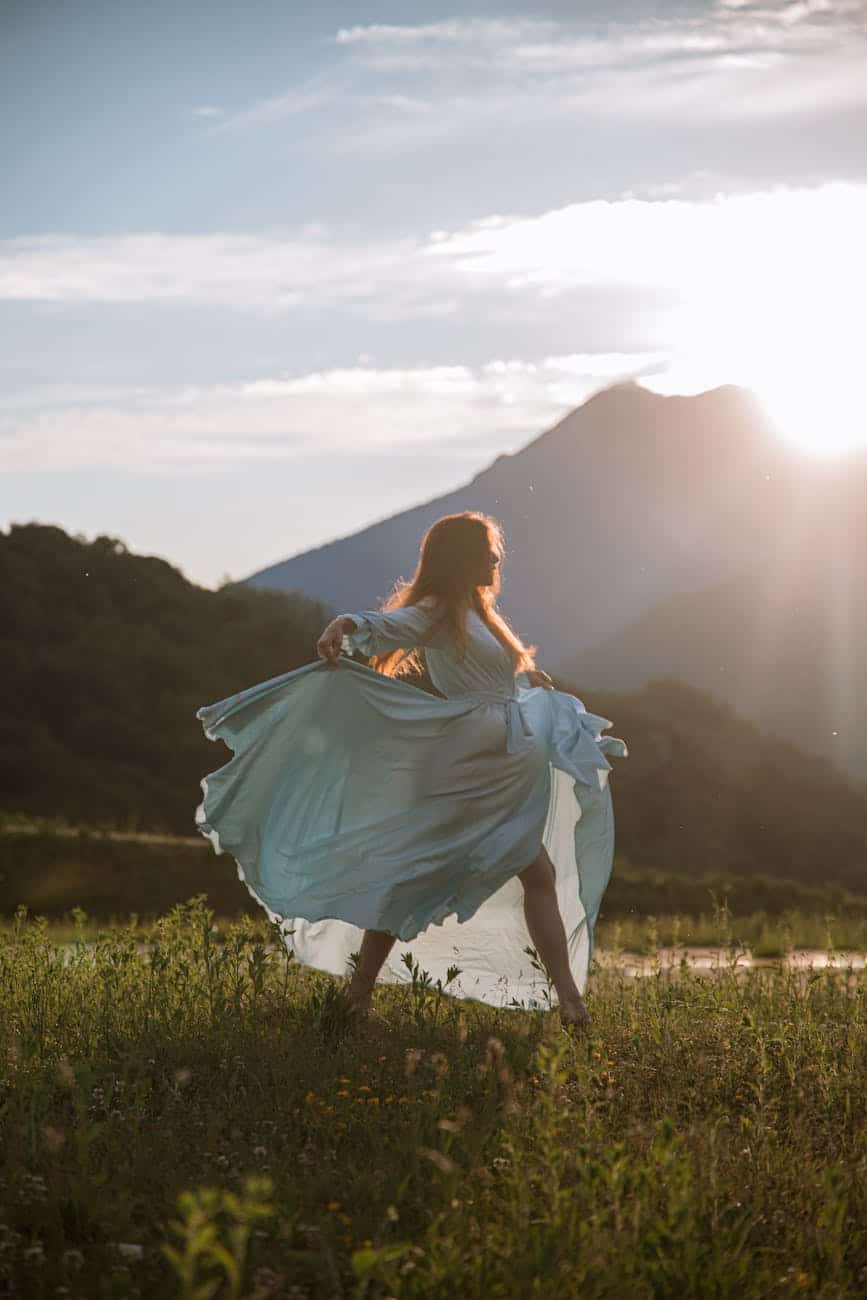
Summer can be both energizing and overwhelming. Between longer days, social gatherings, travel plans, and the pressure to make the most of the season, your nervous system might be working overtime. The good news? This season also provides incredible natural resources for regulation and restoration.
Your nervous system – the complex network that controls everything from your heartbeat to your stress response – thrives when given the right tools. Summer’s extended daylight, warm temperatures, and abundant natural settings create perfect conditions for nervous system care.
Whether you’re dealing with summer anxiety, seasonal overstimulation, or simply want to enhance your well-being, these 100 evidence-based techniques will help you find your calm center.
Why Summer is Perfect for Nervous System Regulation
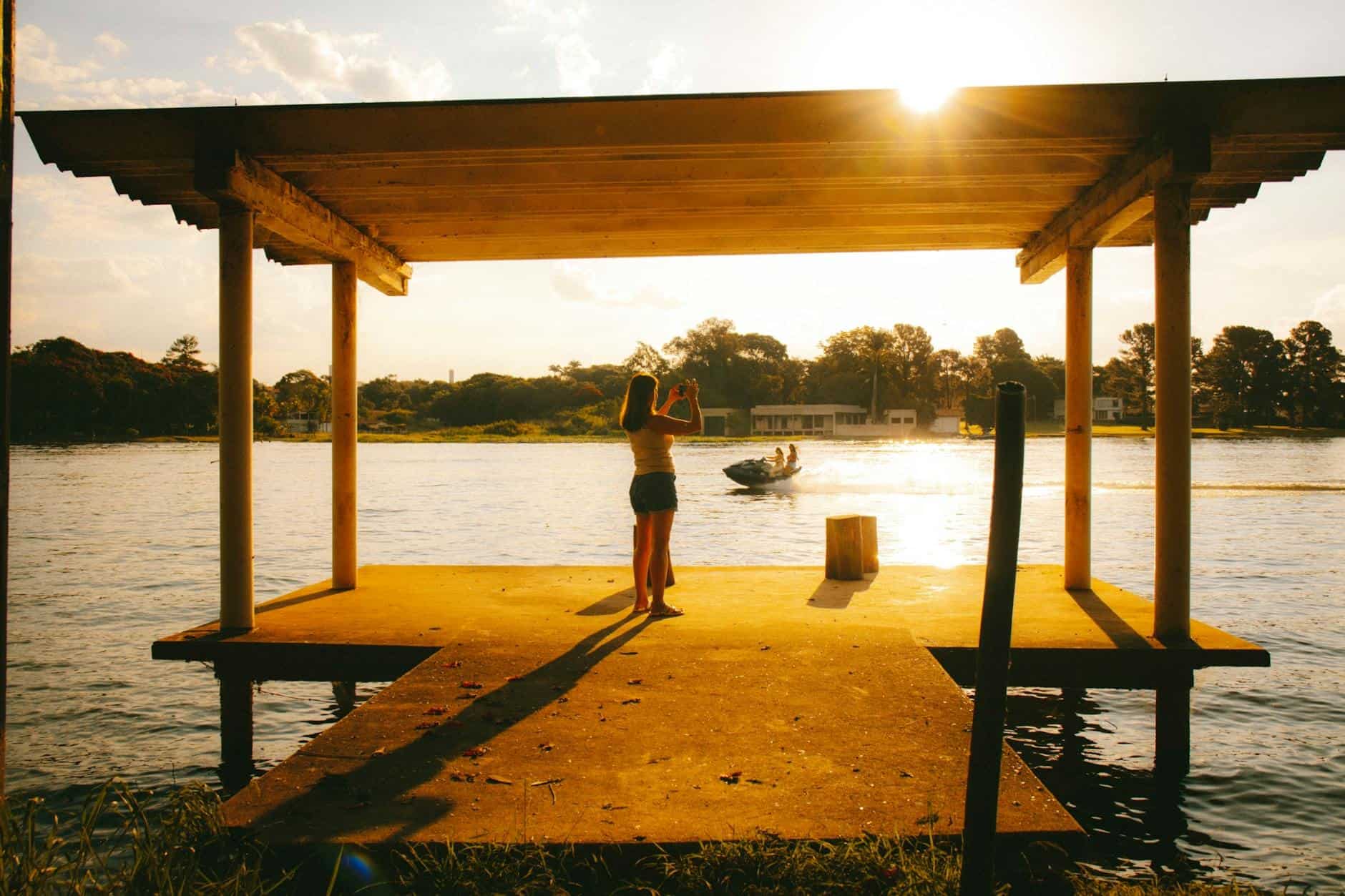
Natural Light Exposure: Extended daylight hours help regulate circadian rhythms, improving sleep and mood stability.
Increased Outdoor Access: Fresh air and nature exposure naturally reduce cortisol levels and activate the parasympathetic nervous system.
Water Availability: Swimming pools, lakes, and beaches provide natural cold therapy and weightless movement.
Slower Pace: Many people experience more flexible schedules, allowing time for self-care practices.
The Science Behind Nervous System Regulation
Your autonomic nervous system has two main branches:
- Sympathetic: Your “fight or flight” response
- Parasympathetic: Your “rest and digest” state
The techniques below help shift you from sympathetic dominance (stress, anxiety, overwhelm) into parasympathetic activation (calm, restoration, healing).
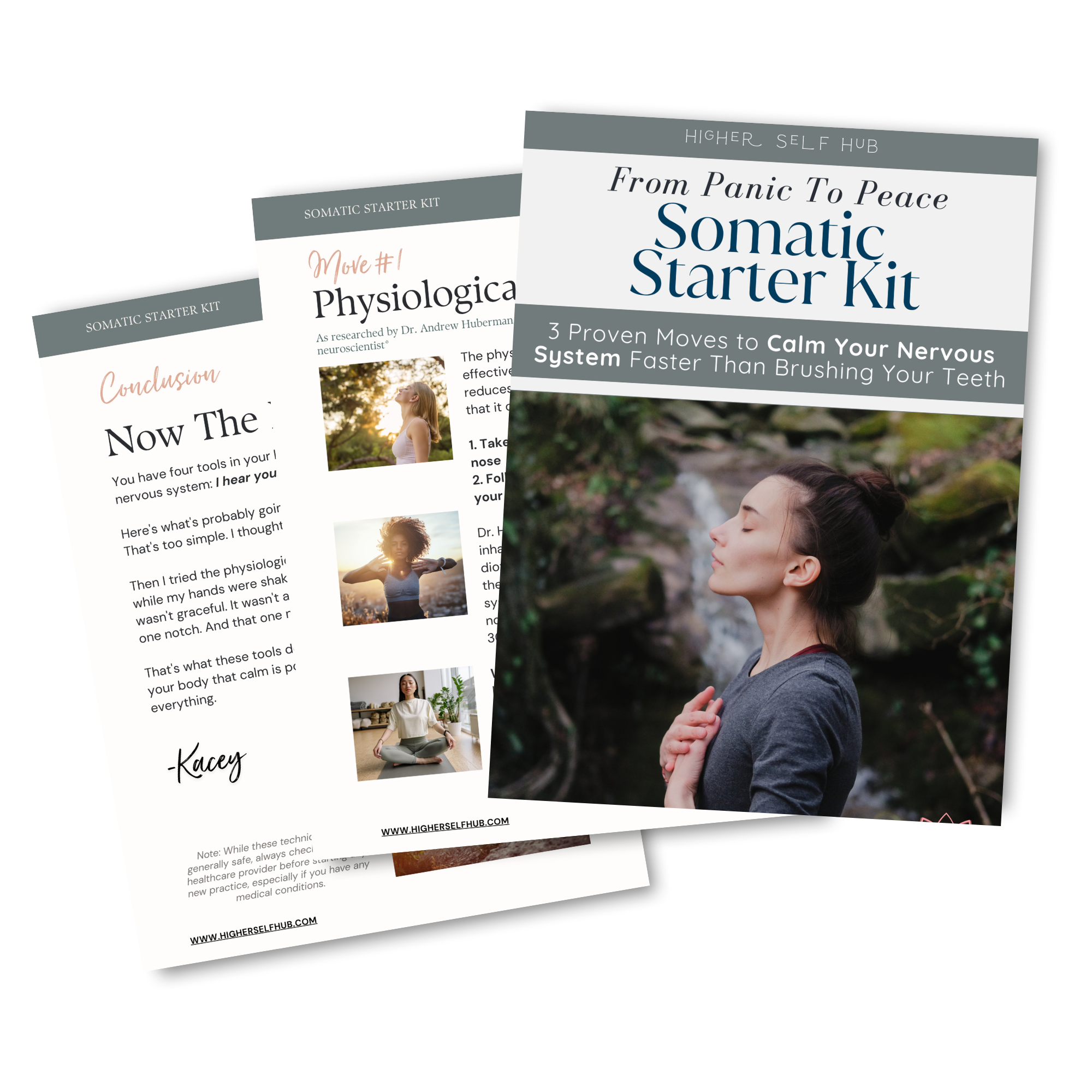
Your Free Somatic Starter Kit
3 science-backed tools to go from panic to peace in under 60 seconds.
Your inbox stays calm, too. Unsubscribe anytime. We respect your privacy.
🌬️ Breathing & Mindfulness Techniques (1-15)
These can be done anywhere, anytime – perfect for quick summer stress relief.
1. Box Breathing – Inhale for 4 counts, hold for 4, exhale for 4, hold for 4. Repeat 4-8 cycles.
2. Ocean Breathing – Create deep, rhythmic breathing that mimics waves. Especially powerful when done near actual water.
3. Belly Breathing – Place one hand on chest, one on belly. Breathe so only the belly hand moves.
4. 4-7-8 Breathing – Inhale for 4, hold for 7, exhale for 8. This activates your parasympathetic nervous system quickly.
5. Humming Breath – Hum softly while exhaling to create soothing vibrations in your chest.
6. Morning Sun Gazing – Look at the sunrise for 2-3 minutes (safely, never directly at high sun) to regulate circadian rhythms.
7. Cloud Watching – Lie on grass and let your mind drift with the clouds. This practice naturally slows brain waves.
8. Beach Breathing – Match your inhales and exhales to the rhythm of waves.
9. Tree Meditation – Sit with your back against a tree trunk for 10 minutes, feeling its stability.
10. Barefoot Grounding – Walk barefoot on grass, sand, or earth to literally ground your nervous system.
11. 5-4-3-2-1 Grounding – Notice 5 things you see, 4 you hear, 3 you touch, 2 you smell, 1 you taste.
12. Mindful Ice Cube – Hold an ice cube and focus entirely on the sensations until it melts.
13. Wind Meditation – Feel summer breezes on your skin with complete attention.
14. Flower Breathing – Find a fragrant flower and breathe in its scent slowly and deeply.
15. Shadow Breathing – Practice any breathing technique in the cool shade of a tree.
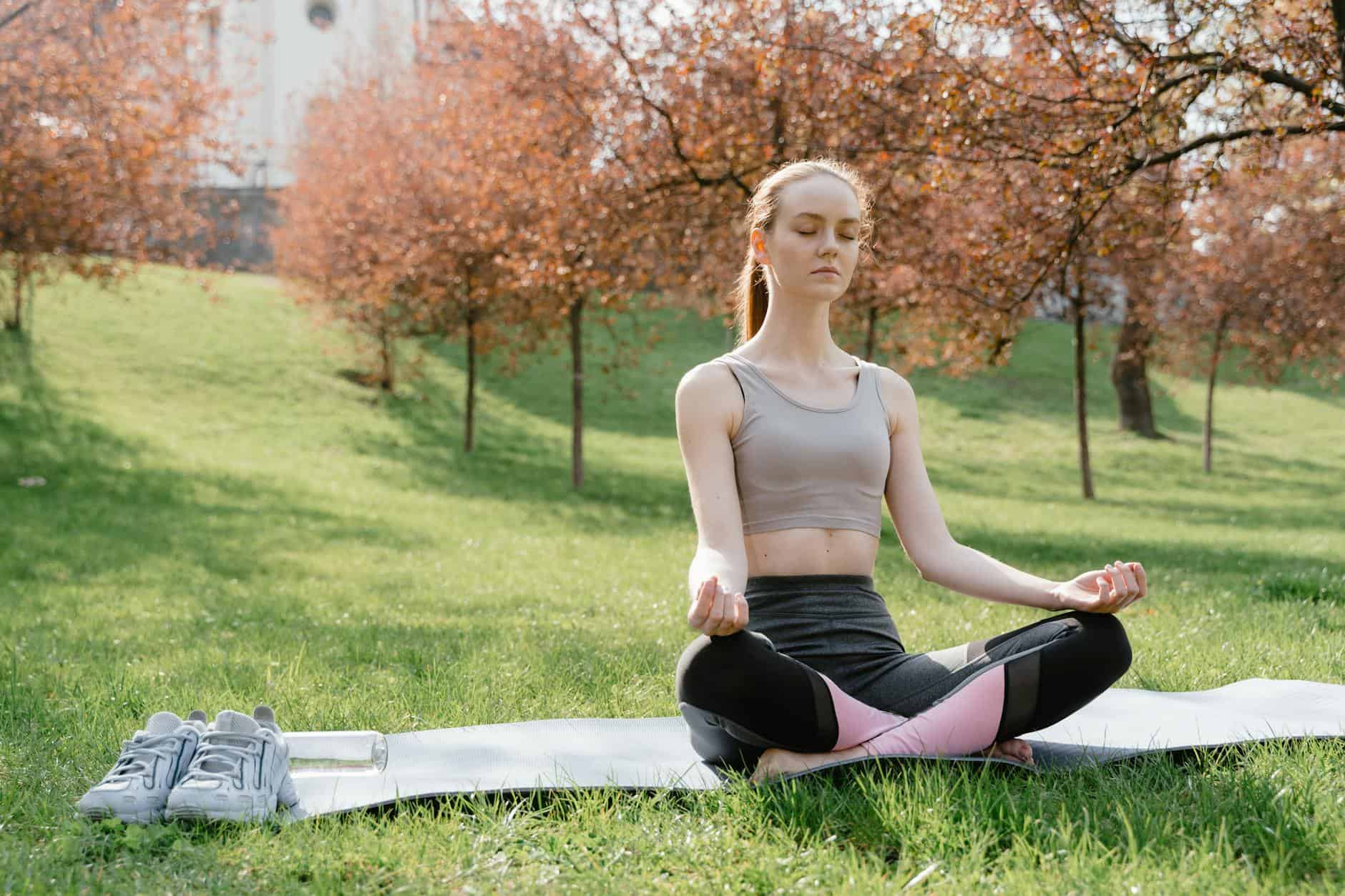
🏃♀️ Movement & Body Techniques (16-35)
Gentle movement helps discharge stress hormones and promotes regulation.
16. Gentle Neck Rolls – Slow, circular movements release accumulated tension.
17. Shoulder Shrugs – Lift shoulders to ears, hold for 5 seconds, then release completely.
18. Progressive Muscle Relaxation – Systematically tense and release each muscle group.
19. Yoga Sun Salutations – This flowing sequence energizes while promoting calm focus.
20. Swimming – Water supports your body while providing natural resistance and cooling.
21. Float Therapy – Simply float on your back in calm water, letting go of all effort.
22. Beach Walking – The uneven sand surface engages stabilizing muscles and promotes mindfulness.
23. Gentle Stretching – Hold each stretch for 30-60 seconds, breathing deeply.
24. Free Dancing – Move however feels good to your favorite summer playlist.
25. Hula Hooping – The rhythmic movement is meditative and playful.
26. Tai Chi in the Park – Slow, flowing movements practiced outdoors.
27. Garden Yoga – Practice poses surrounded by plants and flowers.
28. Hammock Swaying – Gentle rocking motion naturally soothes the nervous system.
29. Leisurely Bike Riding – Steady, rhythmic pedaling at a comfortable pace.
30. Rock Skipping – The repetitive motion and focus required is surprisingly calming.
31. Frisbee Throwing – Gentle, flowing arm movements with friends.
32. Butterfly Pose – Sit with soles of feet together, gently fold forward.
33. Child’s Pose – Rest in this restorative yoga position on grass or a mat.
34. Legs Up the Wall – Lie with legs elevated against a tree or wall to reverse blood flow.
35. Full Body Scanning – Mentally check in with each part of your body from toes to head.
💧 Water & Cooling Techniques (36-50)
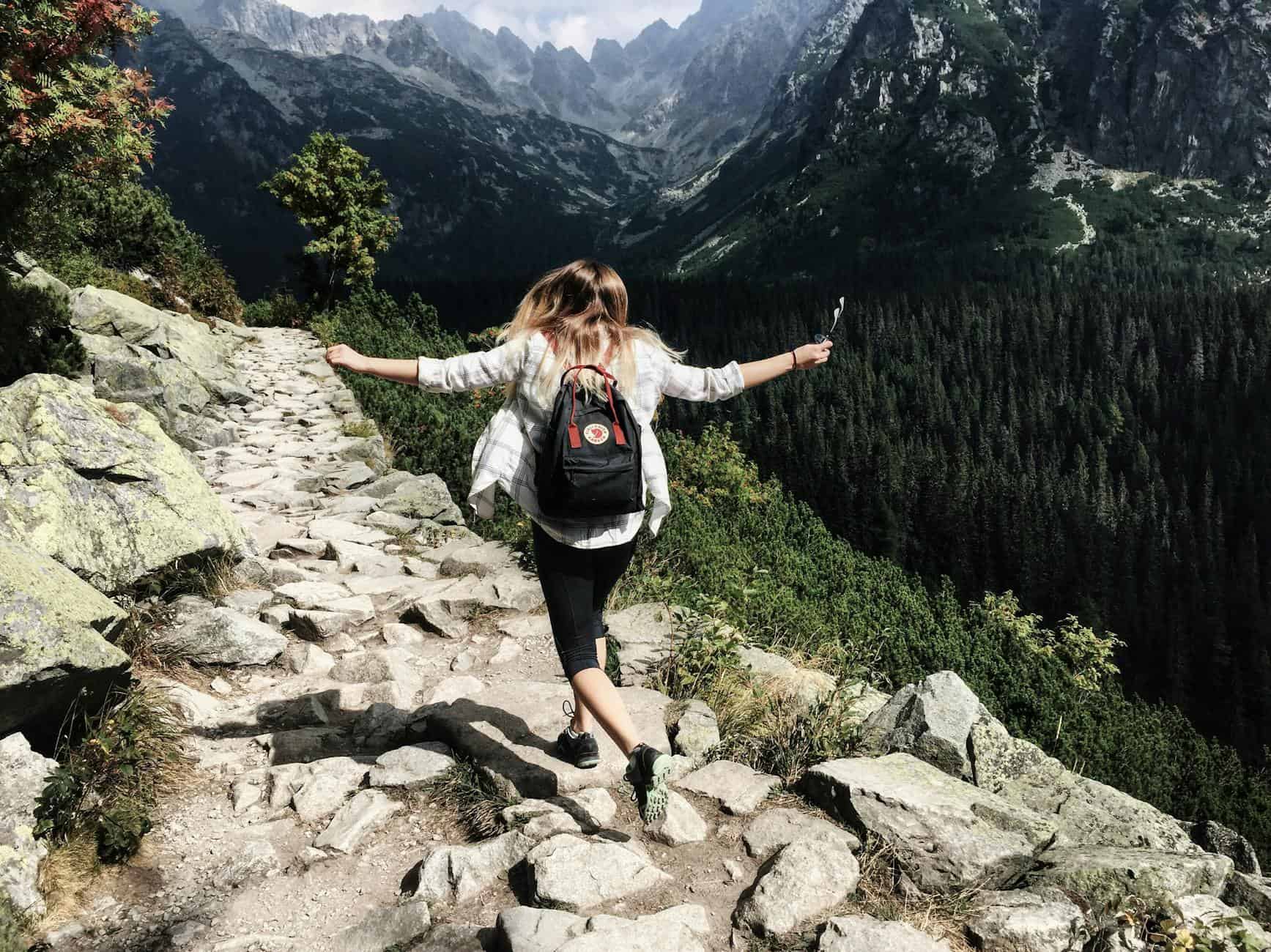
Cold exposure and water therapy are powerful nervous system regulators.
36. Cold Plunge – Brief cold water immersion (start with just 30 seconds).
37. Ice Bath for Feet – Soak feet in cold water for 2-3 minutes to cool your entire system.
38. Cool Shower Finish – End hot showers with 30 seconds of progressively cooler water.
39. Cold Water Face Splash – Instant nervous system reset that activates the dive reflex.
40. Ice Cube on Pulse Points – Apply to wrists, temples, or neck for quick cooling.
41. Frozen Grapes – Eat mindfully, focusing on temperature and texture.
42. Popsicle Meditation – Slowly enjoy a healthy frozen treat with complete attention.
43. Sprinkler Running – Reconnect with childlike joy while cooling down.
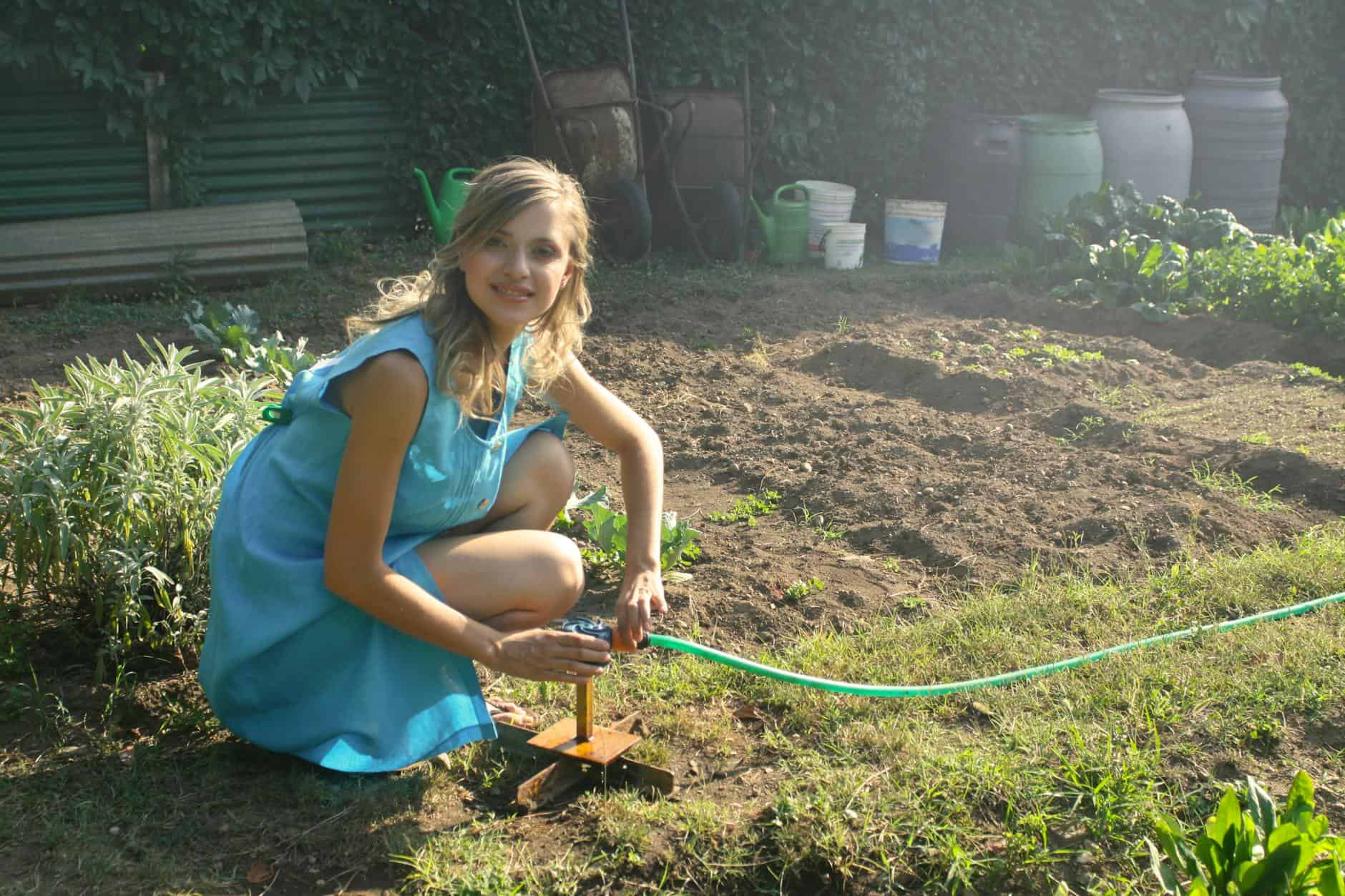
44. Garden Hose Misting – Create cool mist for face and arms.
45. Pool Floating – Float motionlessly, letting water support your entire body.
46. Natural Water Swimming – Lakes, rivers, and oceans provide full-body cold therapy.
47. Water Balloon Activities – Playful and cooling stress relief.
48. Slip and Slide – Embrace fun while cooling your body temperature.
49. Cooling Towel Technique – Place wet towel around neck or on forehead.
50. Mindful Hydration – Drink water slowly, feeling it cool your body from within.

🌿 Nature Connection Techniques (51-70)
Natural environments naturally regulate stress hormones and promote healing.
51. Bird Watching – Quiet observation of local wildlife promotes present-moment awareness.
52. Hands-in-Soil Gardening – Direct earth contact while nurturing growing things.
53. Fresh Flower Arranging – Create beauty while engaging your senses.
54. Mindful Rock Collecting – Beach combing or nature walks with intention.
55. Device-Free Sunset Watching – End-of-day ritual without screens.
56. Star Gazing – Connect with the vastness of night sky.
57. Nature Sound Meditation – Sit quietly and identify different natural sounds.
58. Leaf Study – Collect and examine different shapes, textures, colors.
59. Insect Observation – Watch bugs go about their daily activities.
60. Outdoor Meal Preparation – Mindful food prep in fresh air.
61. Literal Tree Hugging – Embrace a tree for 2-3 minutes, feeling its energy.
62. Scent Exploration – Notice all the different smells in natural settings.
63. Texture Touching – Feel bark, leaves, grass, flower petals mindfully.
64. Rain Listening – Sit under cover during summer storms.
65. Creek or Stream Sitting – Find moving water and listen to its flow.
66. Camping – Sleep closer to natural rhythms and sounds.
67. Mindful Hiking – Walk steadily while staying present to surroundings.
68. Nature Photography – Capture beauty while practicing mindful observation.
69. Outdoor Reading – Read in natural light and fresh air.
70. Weather Pattern Observation – Watch clouds, wind, approaching storms.
🎨 Creative & Playful Techniques (71-85)
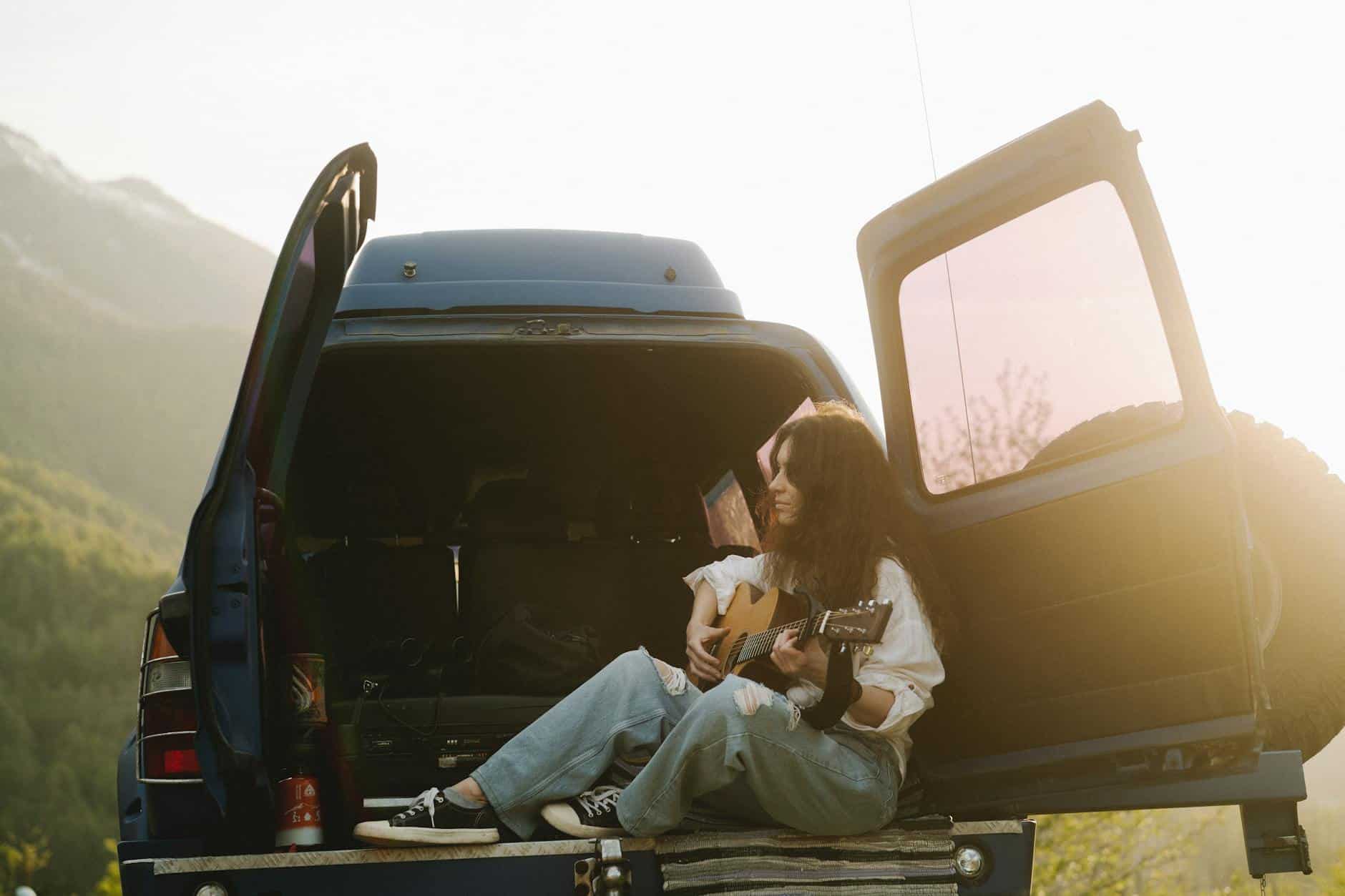
Creativity and play naturally regulate stress and promote joy.
71. Sidewalk Chalk Art – Express creativity on driveways or sidewalks.
72. Sand Castle Architecture – Tactile, creative beach activity.
73. Bubble Blowing – Watch bubbles float away, taking stress with them.
74. Wind Chime Listening – Create or listen to natural music.
75. Outdoor Sketching – Draw what you observe in nature.
76. Instrument Playing Outside – Let music carry in open air.
77. Outdoor Singing – Use your voice freely in natural settings.
78. Campfire Storytelling – Share narratives under stars.
79. Nature Journaling – Write reflections outdoors.
80. Sand or Dirt Mandala Creating – Draw circular, meditative patterns.
81. Rock Painting – Decorate smooth stones with meaningful designs.
82. Friendship Bracelet Making – Repetitive, meditative crafting.
83. Outdoor Origami – Paper folding in peaceful settings.
84. Summer-Inspired Poetry – Compose verses about the season.
85. Plein Air Watercolor – Paint landscapes outdoors.
👥 Social & Connection Techniques (86-100)
Healthy social connection is fundamental to nervous system regulation.
86. Outdoor Picnic Sharing – Eat meals in nature with others.
87. Campfire Gathering – Share warmth, stories, and connection.
88. Gentle Outdoor Games – Low-pressure activities like cornhole or croquet.
89. Group Meditation – Practice mindfulness with friends or family.
90. Community Potlucks – Share food and build connections.
91. Volunteer Gardening – Help others while connecting with earth.
92. Family Nature Walks – Gentle strolls with loved ones.
93. Pet Interaction – Play with animals in outdoor settings.
94. Neighborly Conversations – Casual chats over garden fences.
95. Al Fresco Dining – Eat meals on patios, decks, or picnic tables.
96. Outdoor Book Clubs – Discuss literature in natural settings.
97. Teaching Others – Share your favorite calming techniques.
98. Gratitude Circles – Express appreciation with others.
99. Laughter Sessions – Find reasons to laugh heartily outdoors.
100. Digital Sunset Ritual – Put all devices away at sunset and connect with people.

Making It Work: Your Summer Nervous System Regulation Plan
Start Small
Choose 3-5 techniques that appeal to you most. Consistency trumps intensity.
Create Daily Anchors
- Morning: Sun gazing + breathing (5 minutes)
- Midday: Cold water technique + brief movement (3 minutes)
- Evening: Nature connection + gratitude (10 minutes)
Listen to Your Body
What feels regulating changes day to day. Some days call for gentle techniques, others for more active approaches.
Combine Techniques
Mix breathing with movement, or nature connection with creativity for enhanced benefits.
Stay Hydrated
Summer regulation requires extra water intake – make hydration part of your practice.
Track What Works
Keep a simple note of which techniques leave you feeling most regulated.
The Bottom Line
Your nervous system is designed to handle stress, but it also needs regular opportunities to rest and restore. Summer provides unique conditions for this restoration – abundant natural light, accessible outdoor spaces, cooling water, and extended daylight hours.
These 100 techniques aren’t meant to overwhelm you. They’re a list of options to test and try.
With time, you’ll discover what helps your unique nervous system find balance. Some will resonate immediately, others might surprise you, and some may not be your style at all – and that’s perfectly okay.
The goal isn’t to do everything, but to find sustainable practices that help you move through summer (and beyond) with greater ease, presence, and joy.
Your nervous system will thank you for the attention, and you’ll likely find that small, consistent practices create profound shifts in how you experience stress, relationships, and daily life.
What technique will you try first?
Remember: If you’re dealing with significant anxiety, trauma, or nervous system dysregulation, these techniques complement but don’t replace professional support. Consider working with a therapist, especially one trained in somatic or nervous system approaches.
Your Free Somatic Starter Kit
3 science-backed tools to go from panic to peace in under 60 seconds.
Your inbox stays calm, too. Unsubscribe anytime. We respect your privacy.