
You’re Not Lazy: It’s High Cortisol and a Stuck Nervous System
You’ve googled “why am I so tired” at 2pm on a Tuesday. You feel guilty for needing recovery time from a normal day. You watch other women seemingly breeze through life while you’re over here struggling to return a text message.
It’s not that you’re lazy. You just have high cortisol that’s hijacking your nervous system.
Here’s what’s really happening: your body is doing exactly what it’s designed to do when it thinks you’re in danger.
The good news? A few simple moves can reset your system and get you back to feeling like your regulated, fantastic self.
“I’m Fundamentally Broken” – The Identity Crisis
You’ve convinced yourself there’s something wrong with your character. That you lack willpower or motivation or whatever magical quality other people seem to have.
You tie your worth to your productivity and feel like garbage when you can’t perform. The shame spiral is real—and it’s making everything worse.
But here’s the truth: you’re not fundamentally broken. Your nervous system is just doing its job a little too well.

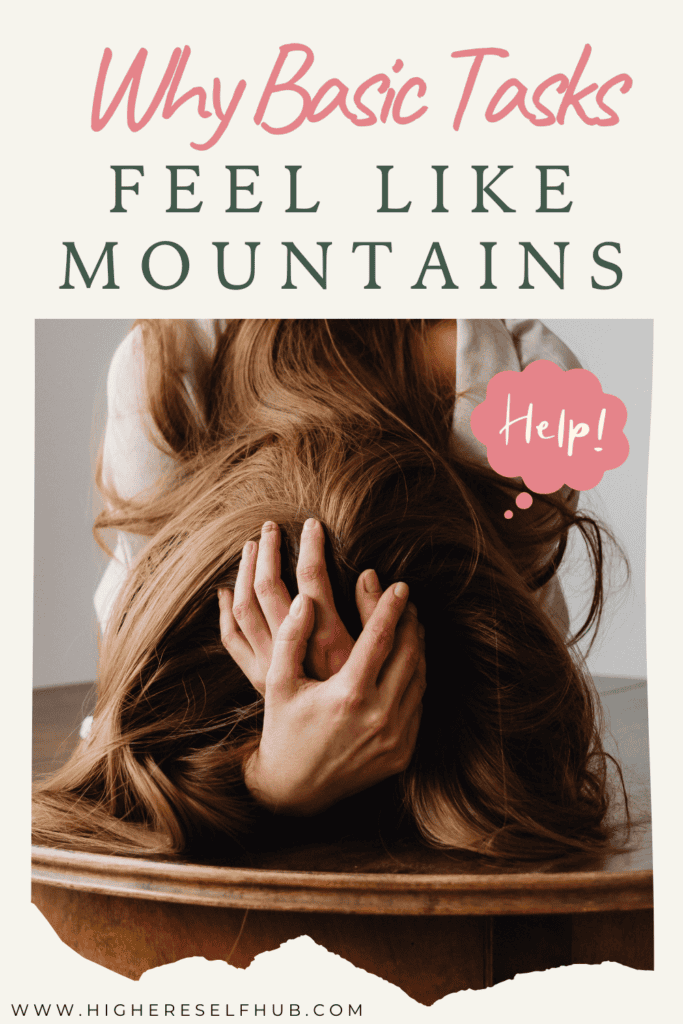
When Basic Tasks Feel Like Mountains
Showering feels like climbing Everest. Choosing what to eat becomes an Olympic event. Making a phone call? Forget about it.
You have good days where you feel like yourself again, then crash so hard you wonder if you imagined feeling normal. The unpredictability is exhausting.
Your brain isn’t lazy. It’s overwhelmed. When cortisol floods your system, even simple decisions become impossible.
The Relationship Toll Nobody Talks About
You cancel plans last minute and hate yourself for it. You worry your friends think you’re flaky when really, your nervous system hit the panic button about leaving the house.
You feel like you’re constantly letting people down. The guilt compounds, so you start withdrawing completely because it feels safer than disappointing anyone else.
You’re terrified someone will discover you’re not as capable as they think. The mask is exhausting to wear, but taking it off feels too risky.
Your Body Keeps the Score (And You Feel It)
Your body is trying to tell you something important, but the signals might surprise you:
- The exhaustion that sleep doesn’t fix
- Headaches that come from nowhere
- Digestive issues your doctor can’t explain
- Brain fog that makes you feel stupid
- Feeling wired but tired at the same time
- Your heart racing over nothing
Your body feels heavier than it should. You move like you’re underwater and wonder when everything became so hard.
These aren’t random symptoms. They’re your nervous system sending distress signals.
The 7-Day Guide to Lower Cortisol gives you one small reset per day, plus a place to track what shifts. No overhaul required.
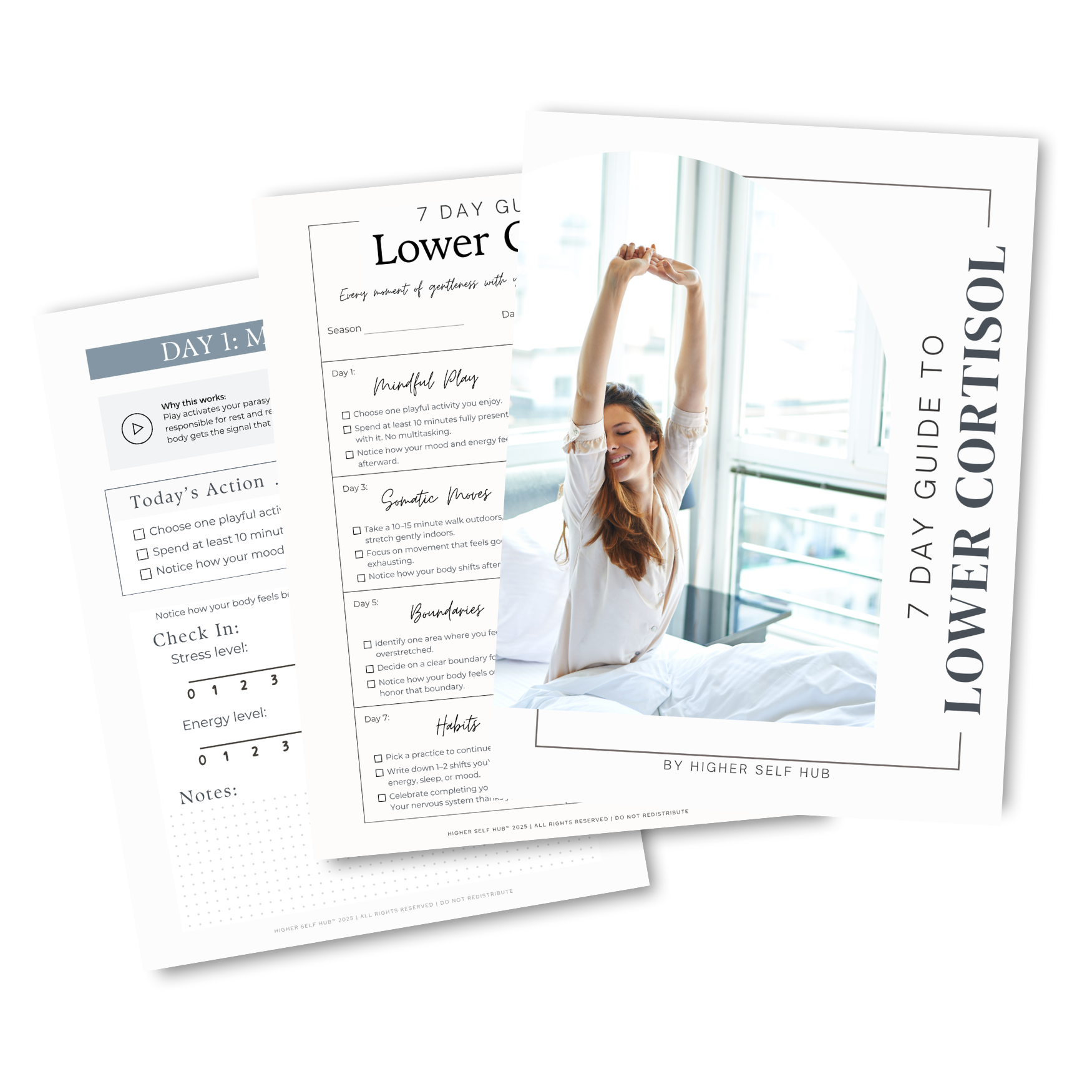
Free 7-Day Guide To Lower Your Cortisol
The Hormone Balancing Guide That Works For Women In The Thick of It.
Your inbox stays calm, too. Unsubscribe anytime. We respect your privacy.
The Career Anxiety Spiral
Some days you’re on fire at work, others you can barely string a sentence together. The inconsistency makes you feel like a fraud.
You know exactly what needs to be done but feel paralyzed to start. The procrastination shame is real, and it’s feeding the cycle.
You’re terrified your colleagues will notice you’re struggling. You work twice as hard to hide half the results.

“Will I Ever Feel Normal Again?”
You watch opportunities pass by while feeling stuck in quicksand. You wonder if this heavy, exhausted version of yourself is just who you are now.
The future feels uncertain when you can barely handle today. You’re tired of feeling tired, overwhelmed by feeling overwhelmed.
You desperately want to believe things can change, but you’ve tried everything and you’re running out of hope.
Here’s What’s Really Happening (The Science)
Your nervous system is stuck in survival mode. Your cortisol levels are chronically elevated, flooding your brain and making everything harder.
When cortisol hijacks your prefrontal cortex, decision-making becomes impossible. Your brain literally can’t access its higher-order functions.
This isn’t a character flaw or moral failing. This is biology responding to perceived threat—even when you’re just picking out clothes.
You’re Not Broken – You’re Dysregulated (And That’s Fixable)
Your nervous system learned these patterns to protect you. The good news? It can learn new ones.
You don’t need years of therapy or massive life overhauls. You need simple, research-backed techniques that work in minutes, not months.
Your body wants to feel safe again. It’s just forgotten how.
The Path Back to Yourself
What if I told you there are three simple moves that can calm your nervous system faster than brushing your teeth? Techniques so effective they can shift you out of that stuck state in under 30 seconds?
These aren’t complex protocols or time-consuming practices. They’re scientifically-proven somatic exercises that work anywhere, anytime—even in the middle of a panic attack.
You don’t have to stay stuck. You don’t have to keep white-knuckling through life hoping it gets easier.
Your nervous system is waiting for the right signals to feel safe again. And I’m about to show you exactly how to send them.
I made this for the version of me who needed something she could actually finish. One practice per day, seven days, done.
Free 7-Day Guide To Lower Your Cortisol
The Hormone Balancing Guide That Works For Women In The Thick of It.
Your inbox stays calm, too. Unsubscribe anytime. We respect your privacy.
Now that you know it’s cortisol (not laziness), here’s what to do about it. Our beginner’s guide to somatic exercises to reduce cortisol gives you six simple movements that tell your nervous system it’s safe to come back down.