10 Daily Practices To Activate Your Ventral Vagal State – Easily
Activating the ventral vagal state can greatly improve our well-being. It reduces stress and anxiety and boosts mood and thinking skills. By adding ventral vagal exercises to our daily life, we can increase our vagal tone and become more resilient. Techniques like deep breathing and connecting with others are key to reaching this state.
Practicing ventral vagal exercises brings many benefits. We can better manage our emotions and feel more calm and relaxed. Using effective relaxation methods helps us find balance and happiness. Our health greatly depends on our vagal tone, and focusing on ventral vagal exercises is a step towards a better life.
Introduction to Ventral Vagal State
In this article, we dive into the ventral vagal state and its role in our well-being. We’ll look at its advantages and share 10 daily practices to activate it. These include deep breathing, facial expressions, and connecting with others.
Key Takeaways
- Activating the ventral vagal state can reduce stress and anxiety
- Ventral vagal exercises can improve vagal tone and resilience
- Relaxation techniques, such as deep breathing, are essential for achieving the ventral vagal state
- Effective relaxation techniques can improve emotional regulation and overall well-being
- Prioritizing ventral vagal exercises can lead to a healthier and happier life
- Deep breathing techniques and social engagement practices are critical components of ventral vagal exercises
Understanding Your Ventral Vagal State and Why It Matters
The ventral vagal state is key to our health and happiness. It controls our heart rate, breathing, and digestion. A healthy ventral vagal state brings many benefits, like less stress and anxiety, better mood, and sharper thinking.
Knowing how to activate our ventral vagal state helps us. It boosts our vagal tone, balancing our nervous system. A strong vagal tone is crucial for managing stress and feeling relaxed.
What is the ventral vagal state?
The ventral vagal state is when the ventral vagus nerve is active. It helps us feel safe and connected, making us better at socializing. This is important for strong relationships and less stress.
Benefits of ventral vagal activation
Activating our ventral vagal state brings many advantages, including:
- Reduced stress and anxiety
- Improved mood and emotional control
- Enhanced cognitive function and focus
- Increased social engagement and connection
By adding ventral vagal activation practices to our daily lives, we can enjoy these benefits. This improves our health and well-being, leading to better stress management and a stronger vagal tone.
The Science Behind Effective Ventral Vagal Exercises
Ventral vagal exercises aim to activate the ventral vagus nerve. This leads to a state of calm and resilience. By doing these exercises daily, people can make their ventral vagus nerve stronger. This boosts their ability to handle stress and tough times.
These exercises are based on the brain’s ability to change and adapt. This is called neuroplasticity. It’s what makes these exercises work.
Some effective ventral vagal exercises include:
- Deep breathing techniques
- Progressive muscle relaxation
- Mindfulness meditation
These activities help people become more aware of themselves. They learn to spot and manage stress better. Doing these exercises regularly can make you more resilient and improve your overall well-being.
Combining ventral vagal exercises with mindfulness can greatly benefit your mental and emotional health. This approach strengthens your ventral vagus nerve. It helps you deal with life’s ups and downs better.

Adding ventral vagal exercises to your daily life can bring many benefits. You’ll see less stress and anxiety, better emotional control, and more resilience. Regular practice is the first step to a more balanced, mindful life.
| Exercise | Benefits |
|---|---|
| Deep Breathing | Reduced stress and anxiety |
| Progressive Muscle Relaxation | Improved sleep quality |
| Mindfulness Meditation | Increased self-awareness and resilience |
Deep Breathing Techniques for Instant Vagal Tone
Deep breathing is a strong way to wake up the ventral vagus nerve. It helps you relax and feel resilient. By doing these exercises daily, you can boost your vagal tone and lower stress and anxiety. Relaxation is crucial for a healthy vagal tone, and deep breathing can help you achieve it.
There are many deep breathing methods to enhance vagal tone. You can try box breathing, diaphragmatic breathing, or resonance frequency breathing. These can be done anywhere, anytime, and can be adjusted to suit you. For instance, you might:
- Box breathing: breathe in for four counts, hold for four counts, breathe out for four counts, and hold again for four counts
- Diaphragmatic breathing: breathe deeply into your diaphragm, not shallowly into your chest
- Resonance frequency breathing: breathe in and out at six breaths per minute, which can align your heart rate and brain activity
By using these deep breathing methods, you can boost your vagal tone. This leads to less stress and anxiety, a better mood, and more relaxation and calm.
It’s important to practice deep breathing regularly to see the best results. Try to take a few minutes each day to focus on your breath. With consistent practice, you can enjoy the many benefits of deep breathing and improve your health and well-being.
Facial Expressions and Social Engagement Practices
Facial expressions are key to our emotional health and how we connect with others. A smile can stimulate the ventral vagus nerve and make us feel calm. Our faces show our feelings and what we mean, helping us bond with people.
Being mindful of our faces can make us better at socializing and feeling good. Social activities like laughing and sharing stories also help our ventral vagus nerve. These actions make us feel more connected and mindful, which is good for our mental health.

- Smiling and laughing with others
- Engaging in group activities and hobbies
- Practicing active listening and empathy
Adding these habits to our lives can boost our social skills, mindfulness, and happiness. A smile or a kind word can greatly help in making connections and feeling more at ease.
If ‘just relax’ has never once worked on your nervous system, my free guide explains why (and what these practices are actually building toward).
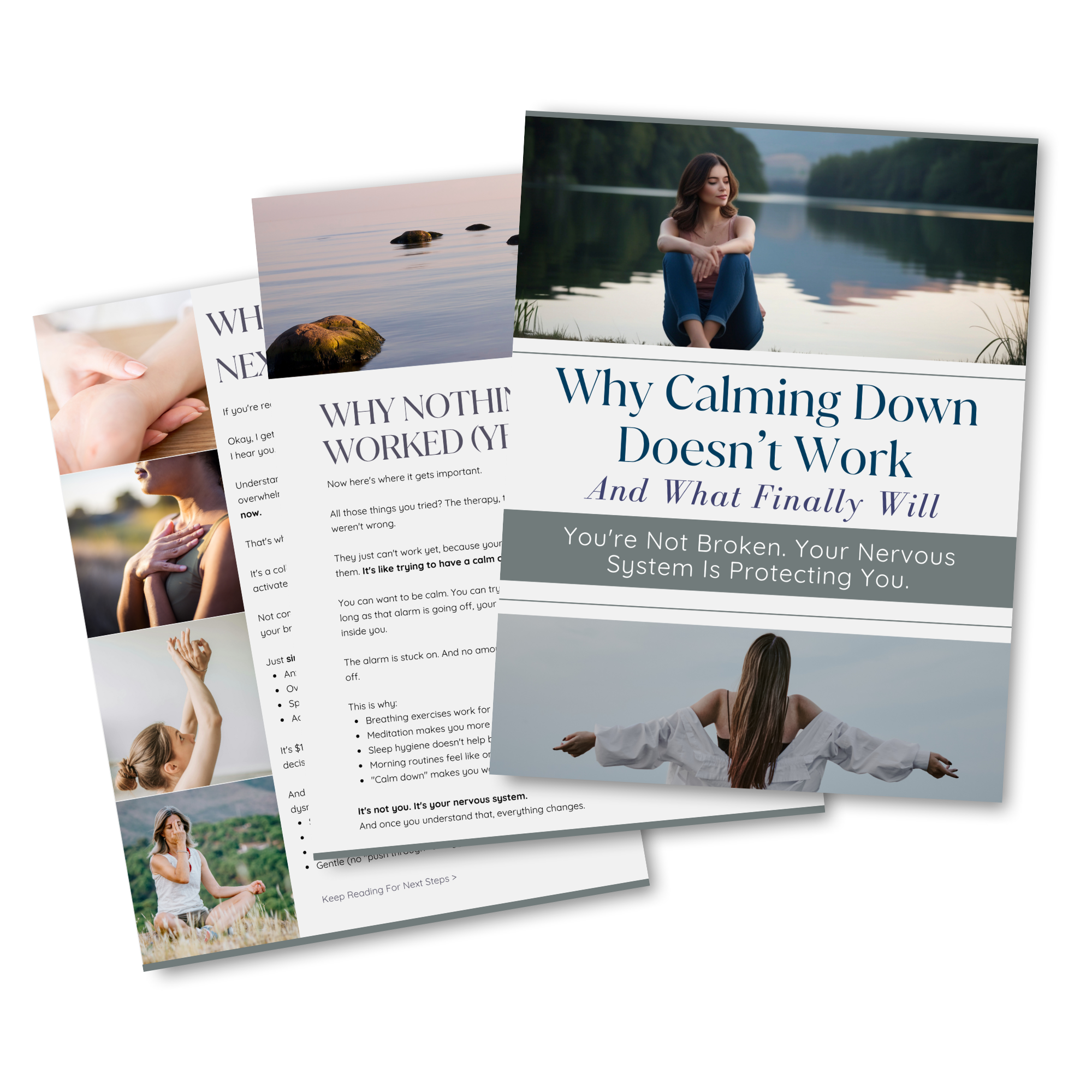
Free Guide: Why Calming Down Doesn’t Work
(And What Finally Will)
You’re Not Broken. Your Body Is Protecting You.
Your inbox stays calm, too. Unsubscribe anytime. We respect your privacy.
Sound and Vocal Exercises for Vagal Activation
Sound and vocal exercises are great for waking up the ventral vagus nerve. They help us relax and become more resilient. By doing these exercises every day, we can feel less stressed and be happier overall.
Doing sound and vocal exercises regularly can boost the ventral vagus nerve. This leads to better vagal tone and many benefits. For example, it can lower stress and anxiety. Here are some effective methods:
- Humming exercises: simple and accessible, humming can be done anywhere, at any time, to help calm the mind and body.
- Chanting practices: repetitive chanting can be a powerful way to focus the mind and activate the ventral vagus nerve.
- Therapeutic singing techniques: singing can be a fun and engaging way to stimulate the ventral vagus nerve and promote stress reduction.
By adding these sound and vocal exercises to our daily routine, we can enjoy the benefits of vagal activation. This includes feeling less stressed and being happier overall.
| Exercise | Benefits |
|---|---|
| Humming exercises | Reduced stress and anxiety, improved mood |
| Chanting practices | Increased focus and concentration, improved vagal tone |
| Therapeutic singing techniques | Improved mood, reduced stress and anxiety, increased sense of well-being |
Movement-Based Ventral Vagal Exercises
Movement-based exercises can help activate the ventral vagus nerve. This leads to relaxation and resilience. Yoga and tai chi are great examples. They improve vagal tone, reducing stress and anxiety.
By adding these exercises to your daily routine, you can feel the benefits. You’ll experience better vagal tone and more relaxation.
Some key benefits of movement-based exercises for ventral vagal activation include:
- Improved vagal tone
- Reduced stress and anxiety
- Enhanced relaxation and resilience
- Increased overall well-being
To start with movement-based exercises, consider these tips:
- Start with short sessions and gradually increase duration and intensity
- Focus on gentle, flowing movements that promote relaxation
- Practice deep breathing techniques in conjunction with movement
By adding movement-based exercises to your daily routine, you can enjoy better vagal tone and relaxation. This leads to a greater sense of well-being.
Regular practice of these exercises can also make you feel calmer. It can reduce anxiety and depression symptoms. This makes it a great addition to your self-care routine.
By focusing on movement-based exercises, you support your ventral vagal health. This promotes overall wellness.
| Exercise | Benefits | Tips for Practice |
|---|---|---|
| Yoga | Improved vagal tone, reduced stress and anxiety | Focus on gentle, flowing movements and deep breathing |
| Tai Chi | Enhanced relaxation and resilience, improved overall well-being | Practice slow, deliberate movements and emphasize relaxation |
Mindfulness and Meditation Practices
Mindfulness and meditation are key to activating the ventral vagus nerve. They help us relax and build resilience. By making these practices a part of our daily lives, we can boost our vagal tone. This reduces stress and anxiety, improving our overall well-being.
Here are some effective mindfulness and meditation practices:
- Body scan meditation: Lie down or sit comfortably. Focus on each body part, starting from the toes and moving up to the head.
- Loving-kindness practice: Focus on sending kind thoughts to yourself and others. This practice promotes compassion and understanding.
- Mindful walking exercises: Pay attention to the sensation of each step while walking. It brings awareness to the present moment.
Regular mindfulness and meditation can greatly improve our health. It leads to more resilience and a sense of calm and well-being.
Creating a Supportive Environment for Vagal Health
A supportive environment is key for better vagal health and less stress. We can make our daily lives better by choosing wisely. Eating well, exercising, and sleeping enough are great starts.
Here are some ways to build a supportive space:
- Try stress-reducing activities like meditation or deep breathing.
- Do physical activities that make you happy and relaxed.
- Be around people who support and uplift you.
By making these changes, we can lower our stress and boost vagal health. This leads to a more balanced and strong life. Creating a supportive environment means focusing on stress reduction and living a healthy lifestyle for better vagal health.

Small steps can make a big difference in our health. Starting to create a supportive space is the first step towards better vagal health and a more rewarding life.
| Factor | Importance for Vagal Health |
|---|---|
| Healthy Diet | High |
| Regular Exercise | High |
| Adequate Sleep | High |
Incorporating These Practices Into Your Daily Routine
To get the most out of ventral vagal exercises, add them to your daily routine. This will boost your vagal tone, leading to calmness and strength. Starting your day with a consistent morning practice can make it better.
A morning practice can be simple. Just take a few minutes for deep breathing. This can raise your vagal tone and get you ready for the day. Take short breaks during the day for relaxation, like stretching or meditation. This helps manage stress and keeps your vagal tone healthy.
Morning Practices
- Deep breathing exercises
- Morning meditation or yoga
- Journaling or reflection
Throughout the Day
- Take short breaks to stretch or move your body
- Practice mindfulness or meditation
- Listen to calming music or nature sounds
Evening Wind-Down Routine
As the day ends, it’s key to wind down and get ready for sleep. Use relaxation techniques like reading, a warm bath, or calming music. Adding these to your daily routine boosts your well-being and vagal tone. This leads to deeper relaxation and resilience.
Need a vagus nerve reset you can do on the go? These 5 somatic exercises for a vagus nerve reset that work in the car are perfect for when you need to shift out of fight-or-flight fast.
Conclusion: Building Long-Term Ventral Vagal Resilience
Unlocking your ventral vagal resilience is a journey, not a goal. By using the exercises and practices from this article, you can find calm and stress reduction in your life. Remember, small steps every day can add up over time.
Be patient and kind to yourself as you try these techniques. Everyone’s journey is different, and progress can vary. Celebrate your successes, no matter how small, and ask for help when you need it.
The real reward is being able to face life’s challenges more easily. Building ventral vagal resilience brings many benefits. Here’s to your growth and success!
For the bigger picture behind all ten practices, grab my free guide Why You Can’t Calm Down below.
Free Guide: Why Calming Down Doesn’t Work
(And What Finally Will)
You’re Not Broken. Your Body Is Protecting You.
Your inbox stays calm, too. Unsubscribe anytime. We respect your privacy.