
21 Vagus Nerve Exercises You Can Do in 60 Seconds (Without Anyone Noticing)
You’re lying in bed. It’s 11:47 PM. Your body is exhausted, but your heart is pounding like you just sprinted up a flight of stairs. Nothing happened. No bad news. No argument. Just this low hum of activation that won’t turn off.
Or maybe it hits you mid-meeting. Your hands are shaking under the table, your chest feels tight, and you’re smiling through it because what else are you supposed to do?
That’s where vagus nerve exercises come in. Tiny, invisible tools that talk directly to your nervous system and tell it: you’re safe right now.
Remember this… Your body isn’t doing this to punish you. It’s stuck in a protective mode (fight-or-flight) and it doesn’t know how to come back down. Deep breathing helps sometimes. But when your system is really activated, a slow inhale can actually feel worse. Like trying to relax a clenched fist by telling it to relax. Your body needs something more specific.
There’s a nerve that runs from your brainstem all the way down to your gut. It touches your heart, your lungs, your throat, your digestive system. It controls whether your body stays in “go mode” or shifts into rest. And the good news? You can activate it on purpose, in about 60 seconds, without anyone around you knowing.
What Is the Vagus Nerve (And Why Should You Care)?
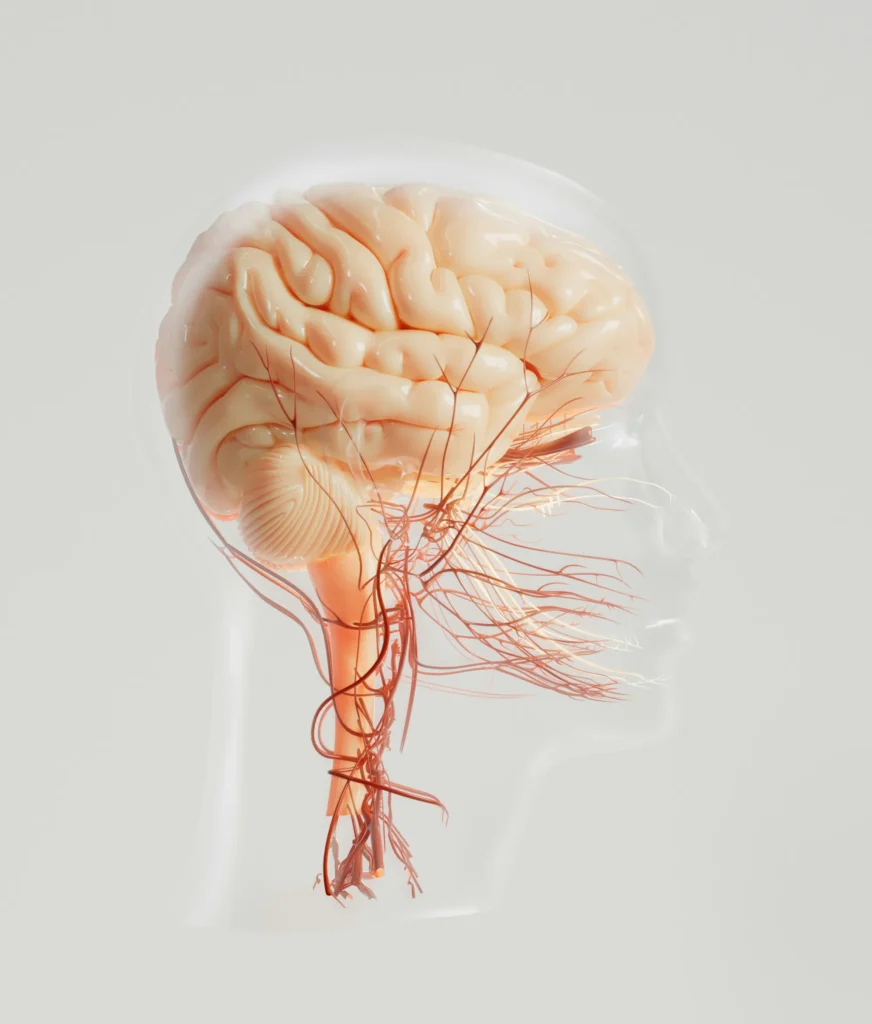
Think of the vagus nerve as your body’s built-in “calm down” signal. It’s the longest cranial nerve you have, and it connects your brain to nearly every major organ. Heart. Lungs. Gut. Throat. When it’s activated, your heart rate slows, your digestion kicks back in, your muscles soften. Your body shifts from survival mode into what scientists call the parasympathetic state (rest-and-digest).
The problem is, most of us spend the majority of our day with this nerve underactive. Our bodies are running on fumes and adrenaline, and we’ve gotten so used to that baseline that we don’t even notice. The exercises below are designed to wake this nerve up, gently, so your body remembers what calm actually feels like.
21 Vagus Nerve Exercises You Can Do in 60 Seconds
These aren’t a set of excercises to do one after the other. That would defeat the purpose. Instead, read through them, notice which ones sound doable (even on your worst day), and start there. Some are activating. Some are deeply calming. All of them take less than a minute. Most of them? No one will even notice you’re doing them.
Breathing-Based

Your breath is the fastest way to send a safety signal to your vagus nerve. These five techniques work because a longer exhale directly activates the parasympathetic branch of your nervous system.
1. Physiological Sigh
Take a quick inhale through your nose, then sneak in one more short inhale on top of it (a double inhale). Exhale slowly through your mouth. This is one of the fastest vagus nerve exercises backed by Stanford research for reducing nervous system activation in real time. You can do it in line at the grocery store and no one will look twice.
2. Box Breathing
Inhale for 4 counts. Hold for 4. Exhale for 4. Hold for 4. Repeat two or three rounds. The structured rhythm gives your nervous system something predictable to latch onto, which is exactly what a dysregulated body craves. Do it under your desk, in the car, wherever.
3. Extended Exhale Breathing
Inhale for a count of 4 through your nose. Exhale for a count of 8 through your mouth. The extended exhale is what does the heavy lifting here. It tells your vagus nerve that you’re not in danger, that there’s enough time and space to slow down. Even two rounds can shift your whole state.
4. Humming Breath (Voo Breath)
Take a deep inhale, then exhale with a long, low “voooo” or a steady hum. The vibration travels through your throat and chest, right along the path of the vagus nerve. If you’re somewhere public, a quiet hum works just as well. It looks like you’re just thinking.
5. Lion’s Breath
Big inhale through your nose. Then open your mouth wide, stick your tongue out, and exhale with a sigh. This one releases tension in your jaw and throat (two places your body holds so much). Best saved for the car or the bathroom, unless you want to make your coworkers very curious.
Movement-Based

Sometimes your body needs to move the activation out rather than breathe through it. These vagus nerve exercises use gentle physical engagement to reset your system.
6. Neck Swivel (Safety Check)
Slowly turn your head to the left. Hold for a few seconds, letting your eyes scan the space. Then slowly turn to the right and hold again. This mimics what your nervous system does naturally when it’s assessing safety. By doing it intentionally, you’re telling your brain: I’ve looked around. There’s no threat here. Totally invisible in a meeting.
7. Cold Water on Wrists or Face
Run cold water over the insides of your wrists for 30 seconds. Or splash cold water on your face. This triggers the mammalian dive reflex, which instantly slows your heart rate and activates the vagus nerve. Keep a cold water bottle handy. Pressing it against your wrists works too. No one notices.
8. Intentional Yawning
Even a fake yawn triggers a real parasympathetic response. Open your mouth wide, stretch your jaw, and let the yawn happen. Your body doesn’t know the difference between a real one and a staged one. The stretch alone releases tension in your jaw and throat, both areas rich with vagus nerve fibers. Cover your mouth if you need to be stealth about it.
9. Gentle Neck Stretches
Drop your right ear toward your right shoulder. Hold for a few breaths. Then the left side. The vagus nerve runs through the neck, so gentle stretching can stimulate it while releasing tension you didn’t even realize you were carrying. This looks completely normal at a desk, in a waiting room, or before bed.
10. Jaw Release
Open your mouth as wide as you can. Move your jaw slowly from side to side. Then let it hang loose. Most of us clench without knowing it (especially at night). Releasing the jaw sends a direct signal through the vagus nerve that it’s okay to let go. Do this one under the covers, in the car, wherever your jaw is doing its thing.
Free Guide: Why Calming Down Doesn’t Work
(And What Finally Will)
You’re Not Broken. Your Body Is Protecting You.
Your inbox stays calm, too. Unsubscribe anytime. We respect your privacy.
Sensory-Based

Your senses are a direct line to your nervous system. These exercises use taste, touch, smell, and sight to pull your body out of survival mode and back into the present moment.
11. 5-4-3-2-1 Grounding
Name 5 things you can see. 4 you can touch. 3 you can hear. 2 you can smell. 1 you can taste. This isn’t just a mindfulness trick. It forces your brain to process sensory input, which pulls resources away from the threat-detection center and toward the part of your brain that knows you’re safe. You can do it with your eyes open in a crowded room and nobody knows.
12. Sour Candy Reset
Pop a sour candy (Warheads, sour gummies, whatever you have). The intensity of the sour taste jolts your sensory system and interrupts the nervous system loop. It’s like a pattern interrupt for your body. Keep a few in your bag or desk drawer. This one is especially great for those moments when you feel frozen and can’t seem to think clearly.
If you want to keep these kinds of tools close (the ones you can actually use in real life, without anyone noticing), this free guide breaks down why calming down doesn’t always work, and what to do instead.
13. Aromatherapy Cue
Put a drop of essential oil on your wrist (lavender, peppermint, or eucalyptus all work). When you need a reset, bring your wrist to your nose and take three slow inhales. Smell is the only sense that bypasses the thinking brain and goes straight to the emotional center. Over time, your body learns to associate that scent with safety. It becomes a shortcut.
14. Gargling with Water
Take a sip of water and gargle for 15 to 20 seconds. The vibration at the back of your throat directly stimulates the vagus nerve. It might sound strange, but it’s one of the most effective vagus nerve exercises for activating a parasympathetic response. Just do it during a bathroom break and you’re golden.
15. Splashing Cold Water on Your Face
Cup cold water in your hands and splash it across your forehead and cheeks. Like the wrist technique, this triggers the dive reflex, which slows your heart rate and tells your body to conserve energy instead of burning through it. Keep this one in your back pocket for those moments when everything feels like too much and you need a hard reset.
Touch-Based
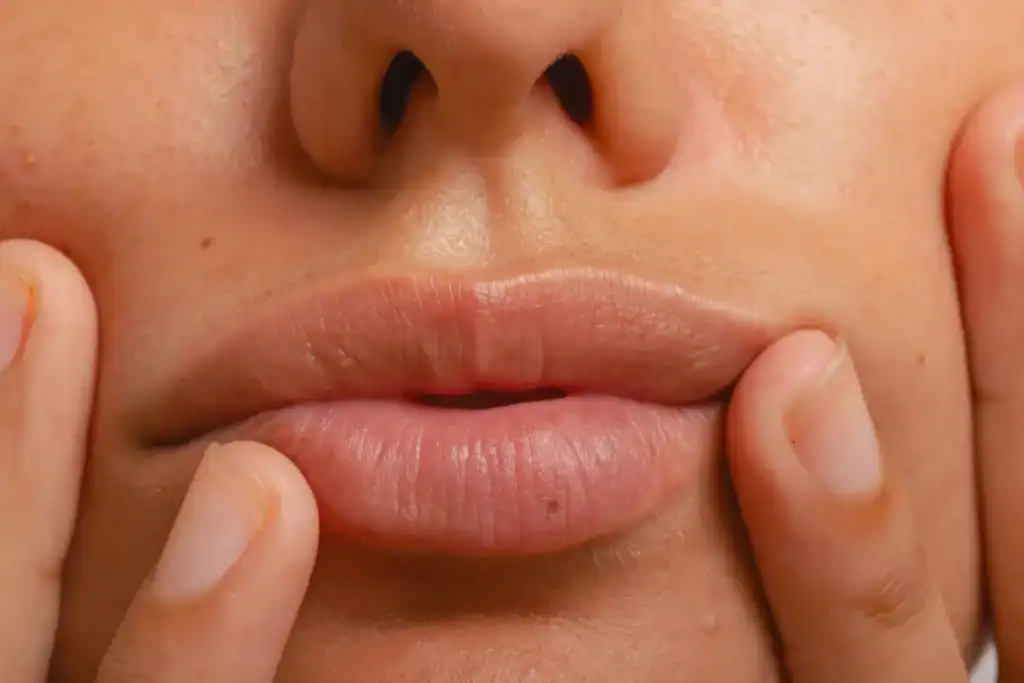
Your skin is covered in nerve endings that connect directly to your nervous system. These exercises use intentional touch (your own) to create a sense of safety from the outside in.
16. Ear Massage
Trace the outer rim of your ear slowly with your fingertips. Gently pull on your earlobes. The vagus nerve has a branch that runs directly through the ear (the auricular branch), so this gentle pressure activates it almost immediately. It looks like you’re just absentmindedly touching your ear. Perfect for waiting rooms, phone calls, or long meetings.
17. Hand-to-Hand Ball Toss
Grab a small object (a tennis ball, a tangerine, even a rolled-up sock) and gently toss it from one hand to the other. This creates bilateral stimulation, which engages both hemispheres of your brain and helps regulate your nervous system. It’s rhythmic, it’s simple, and it gives your body something to focus on besides the activation loop. Great for home or your desk.
18. Superhero Pose
Stand tall. Feet hip-width apart. Hands on your hips. Chest open. Hold for 60 seconds. This isn’t just a confidence hack. Opening your chest stretches the front of your body (where we tend to collapse when we’re in protection mode) and sends a signal through your posture that says I’m not under threat right now. Do it in the bathroom before a hard conversation or first thing in the morning.
19. Self-Hug with Butterfly Tap
Cross your arms over your chest so each hand rests on the opposite shoulder. Then alternate tapping, left, right, left, right, slowly and gently. The combination of self-touch and bilateral movement is deeply calming. It’s used in trauma therapy for a reason. You can do this under a blanket at night, or with your arms crossed casually at your desk. Nobody has to know.
Stealth Techniques

These two are for the moments when you need something and you truly cannot draw attention to yourself. No deep breaths. No stretching. Just invisible regulation.
20. Press Your Feet Into the Floor
While sitting, press both feet firmly into the ground. Spread your toes inside your shoes. Feel the weight and pressure of your legs against the chair. This is proprioceptive grounding, and it works because it reminds your body where it is in space. When your nervous system is spiraling, this simple pressure says: you’re here. You’re solid. Completely invisible. You can do it in a courtroom, a classroom, a dinner table. Anywhere.
21. Subtle Collarbone Tapping (EFT Point)
With two fingers, gently tap the area just below your collarbone (either side). You can do this so lightly that it looks like you’re just resting your hand on your chest. This is one of the primary somatic reset points used in EFT (Emotional Freedom Technique), and the gentle tapping creates a calming ripple through your nervous system. Try it during a phone call with your hand resting casually near your chest.
How to Pick Your Go-To Vagus Nerve Exercises

You do not need all 21 of these in your life. That’s not how this works.
Instead, pick 3 to 5 that feel like the least amount of effort. The ones you could actually do on a hard day, when everything feels heavy and your brain is foggy. Those are your starters.
Some of these vagus nerve exercises are activating (cold water, sour candy, lion’s breath). They wake you up. They’re best for when you feel frozen, numb, or checked out. Others are calming (extended exhale, ear massage, butterfly tap). They slow things down. They’re best for when you feel wired, on edge, or like your body won’t stop running.
Notice what your body needs most often, and build from there. Rotate them so they stay fresh. Keep a couple in your “stealth” category for public moments. And give yourself full permission to drop any that don’t feel right. There are no rules here. Just options.
If you want a simple way to build a daily vagal tone practice, even just a few of these exercises done consistently can shift your baseline over time. Not overnight. Not dramatically. Just steadily.
These Tools Are Already Inside You

You don’t need to buy anything. You don’t need to learn a whole new system. You don’t need an hour of free time or a quiet room or perfect conditions.
Your body already knows how to come back to safety. These vagus nerve exercises just give it a nudge in that direction. Sixty seconds. One technique. That’s enough.
And on the days when even picking one feels like too much? That’s okay too. You can come back to this list whenever you’re ready. It’ll be here.
The Undercover Calm Guide walks you through 12 of these vagus nerve exercises with step-by-step instructions, stealth variations for every situation, and phone wallpapers so your favorites are one glance away. It’s the kind of thing you keep on your phone for the moments when your brain can’t think of what to do, but your body needs something.
Free Guide: Why Calming Down Doesn’t Work
(And What Finally Will)
You’re Not Broken. Your Body Is Protecting You.
Your inbox stays calm, too. Unsubscribe anytime. We respect your privacy.


